
 Source: visit.brussels
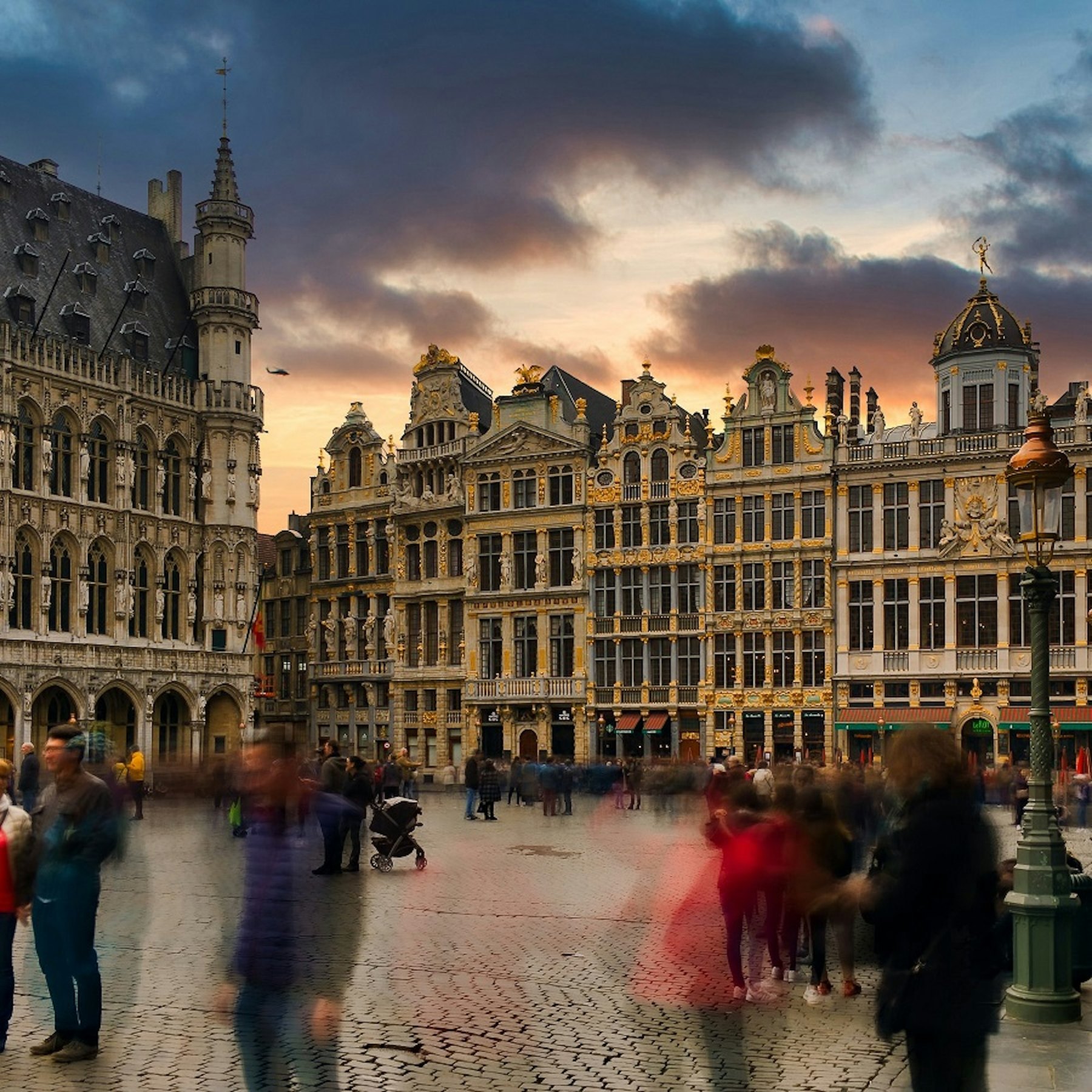
Grand-Place
Sculpted façades, the Gothic Town Hall and the history of the guilds: discover the historic heart of Brussels in the open air.
From the classics to little detours: explore our selection, then create your own story.
Source: visit.brussels
Sculpted façades, the Gothic Town Hall and the history of the guilds: discover the historic heart of Brussels in the open air.
 Source: visit.brussels
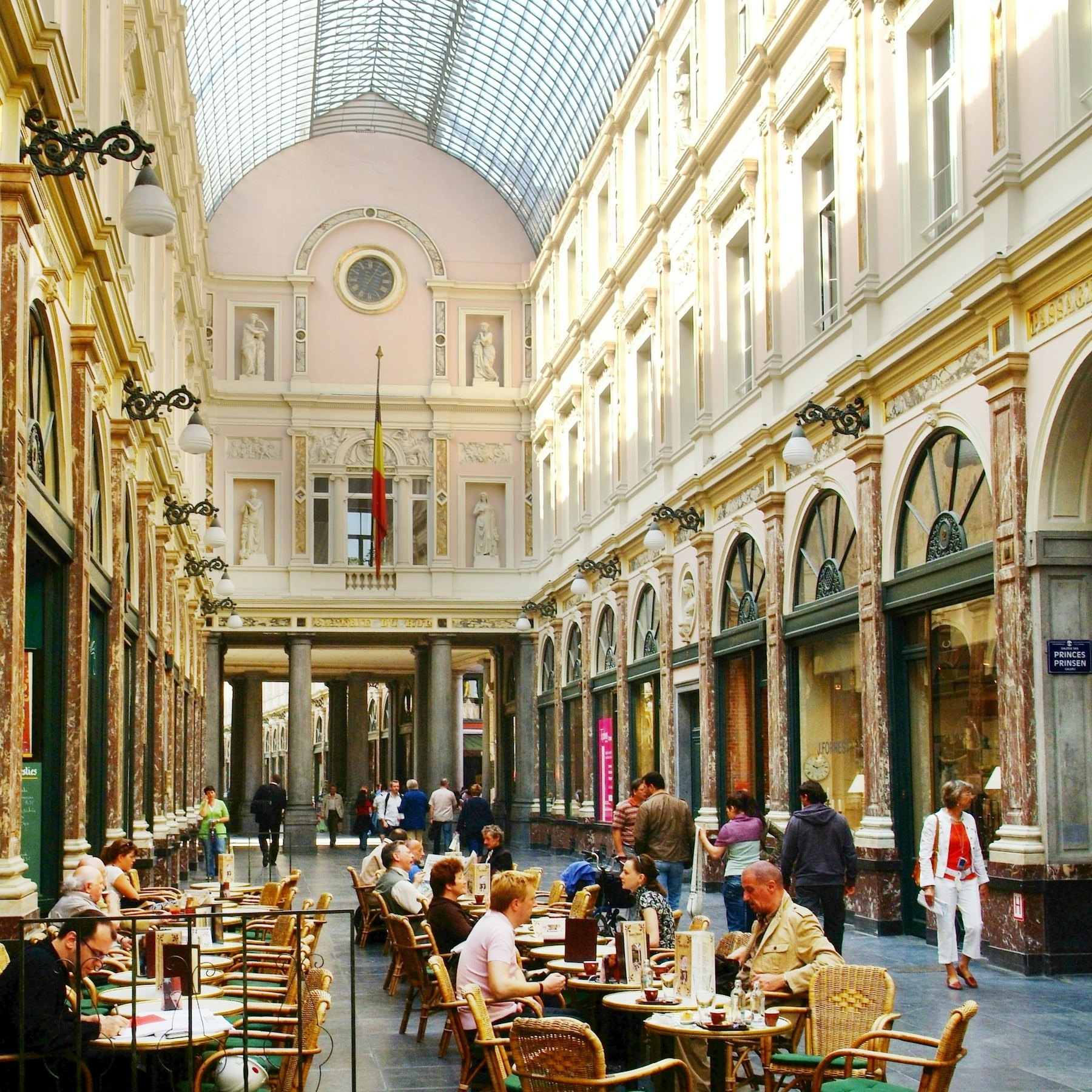
Beneath the glass roof, shops, cafés and cultural venues extend your stroll just a few steps from the Grand-Place.
 Source: visit.brussels
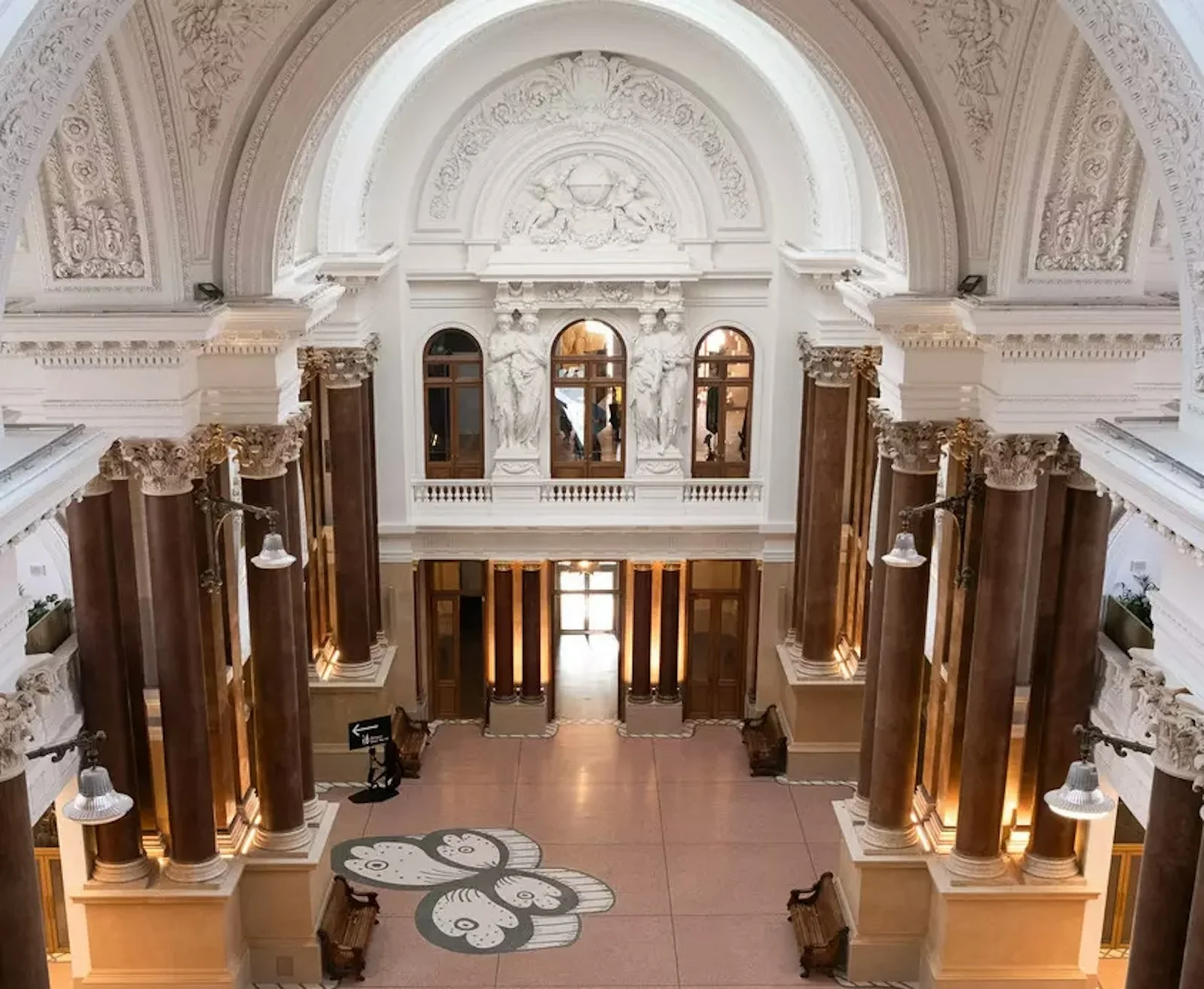
Built between 1868 and 1873 by Léon-Pierre Suys, the Palais de la Bourse now houses a large nave open to the public. Restored and returned to public use in 2023, this monumental gallery allows you to walk through the building between the pedestrian area and the Grand-Place side. The grand hall is a meeting place and a place to discover heritage, accessible free of charge independently of the Belgian Beer World experience.
 Source: visit.brussels
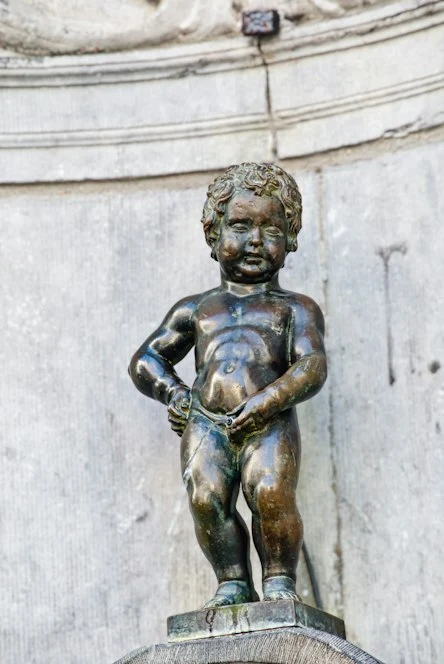
A small statue that has become a great symbol of Brussels humour and spirit. His wardrobe is worth a detour too.
 © Visit Brussels
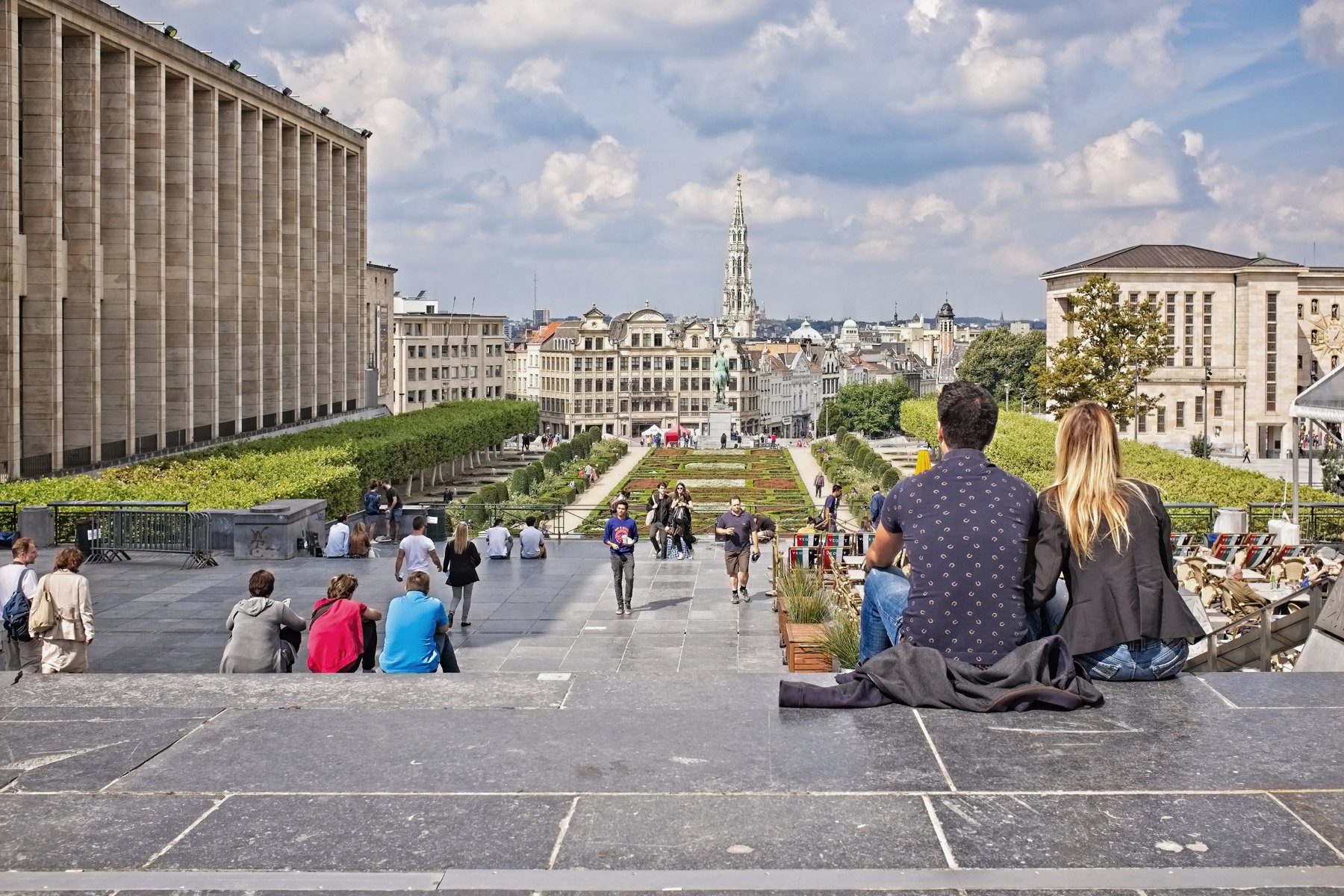
A garden between the upper town and historic centre, a panorama, and major cultural institutions all around.
 © visit.brussels – Eric Danhier – 2019
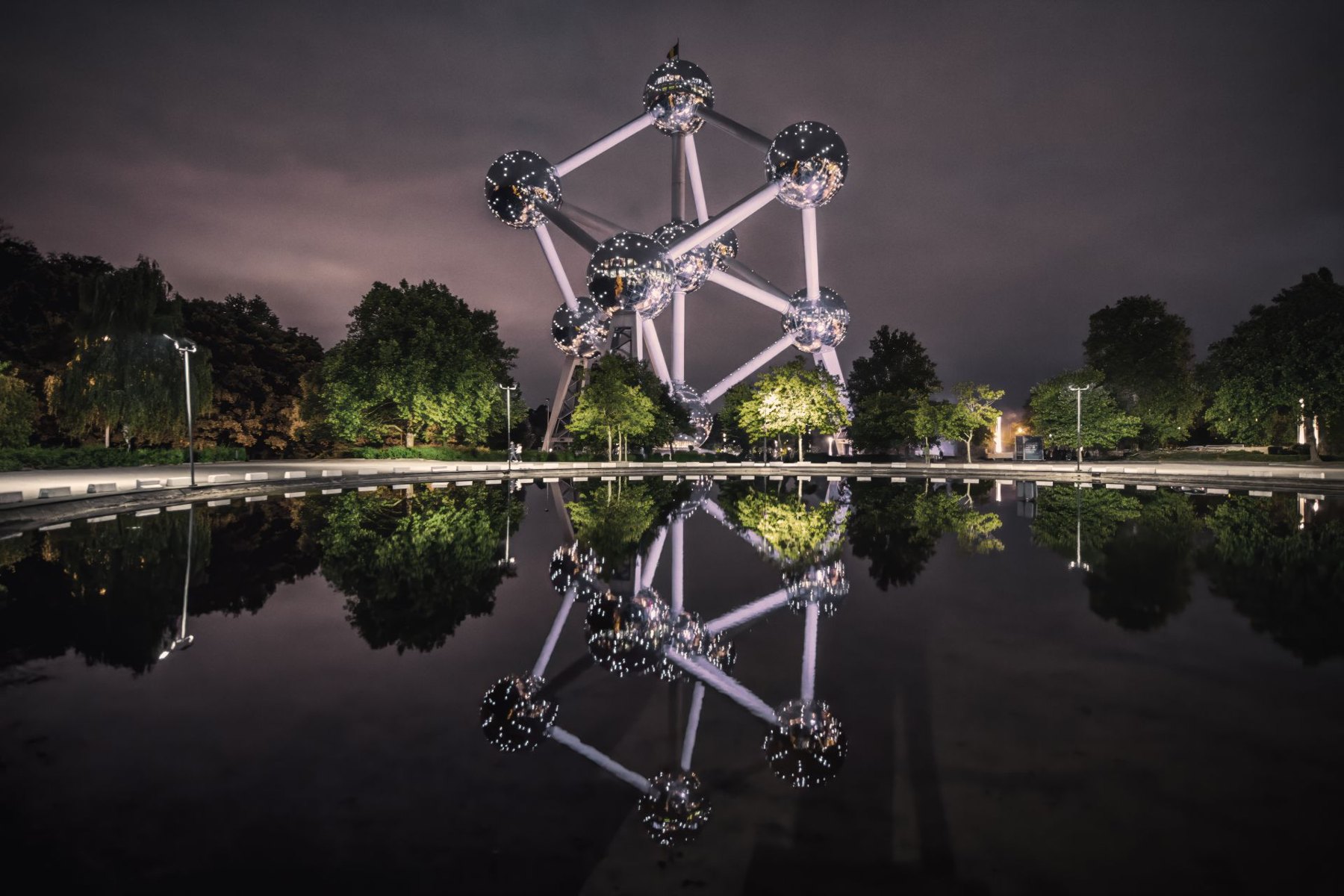
The icon of Expo 58 invites you inside its spheres, into its exhibitions and up above Brussels.
 © RMFAB
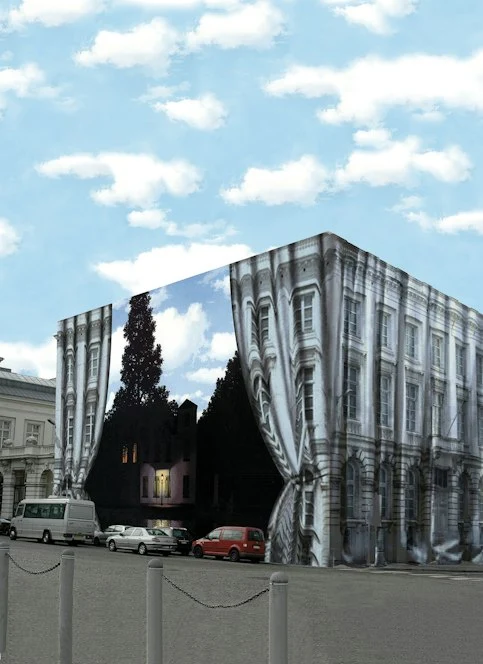
Discover the world of René Magritte through paintings, drawings, objects and archives in the heart of the Royal Quarter.
 Source: visit.brussels
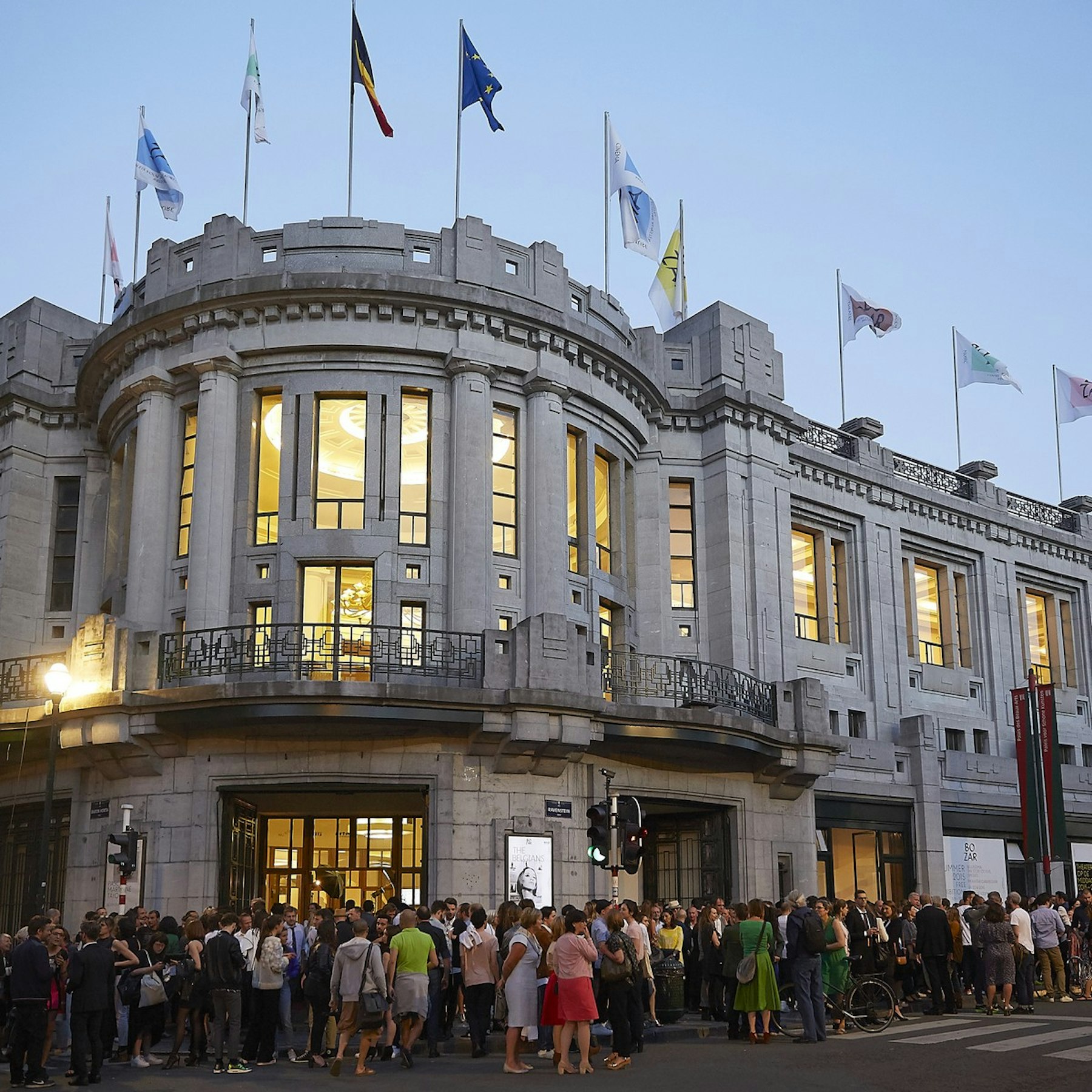
Exhibitions, concerts, cinema, literature and architecture come together at the Palais des Beaux-Arts.
 Source: visit.brussels
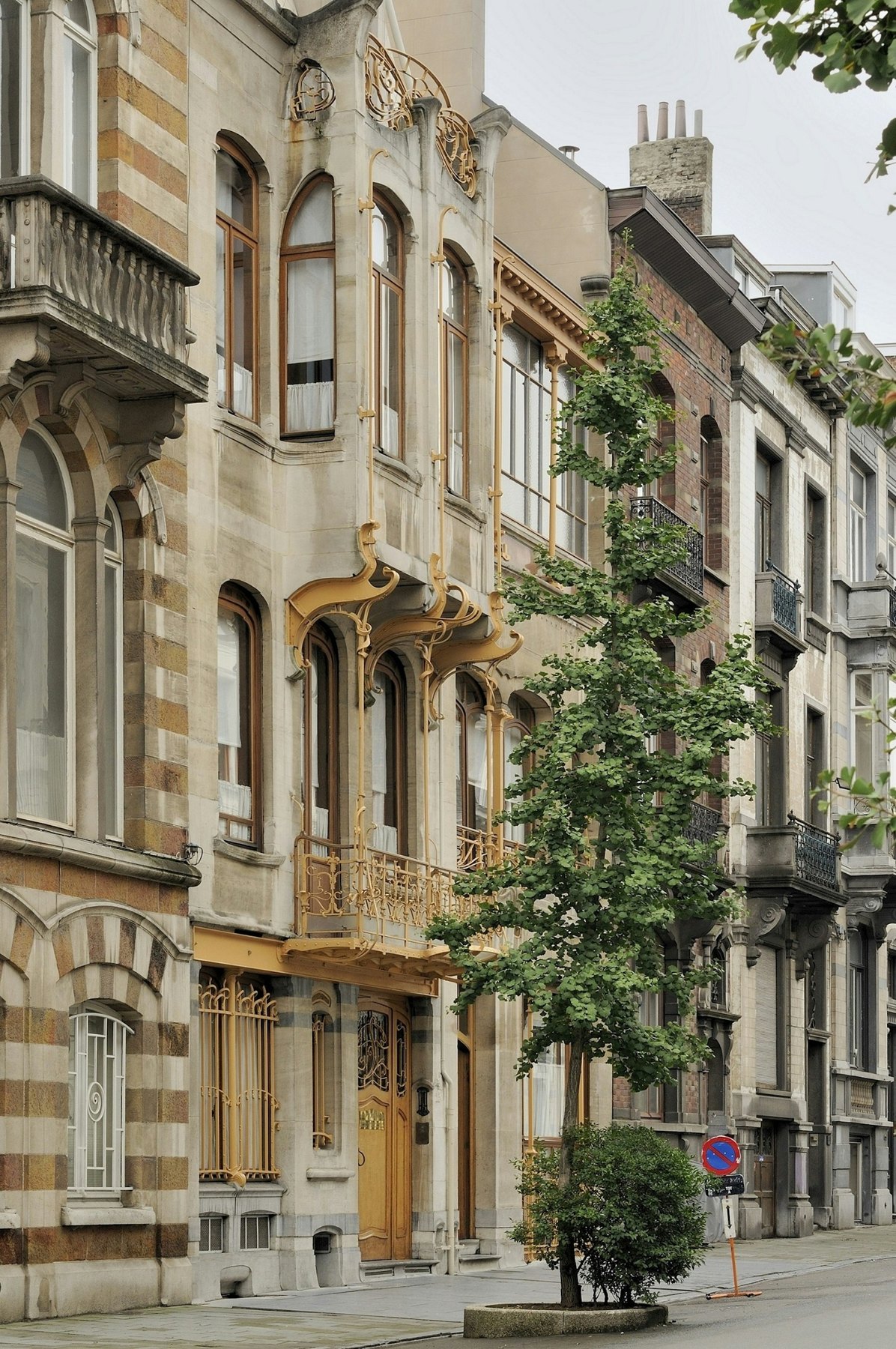
Victor Horta’s house and studio reveal the architect’s art through their spaces, decoration and Art Nouveau details.
 Source: visit.brussels
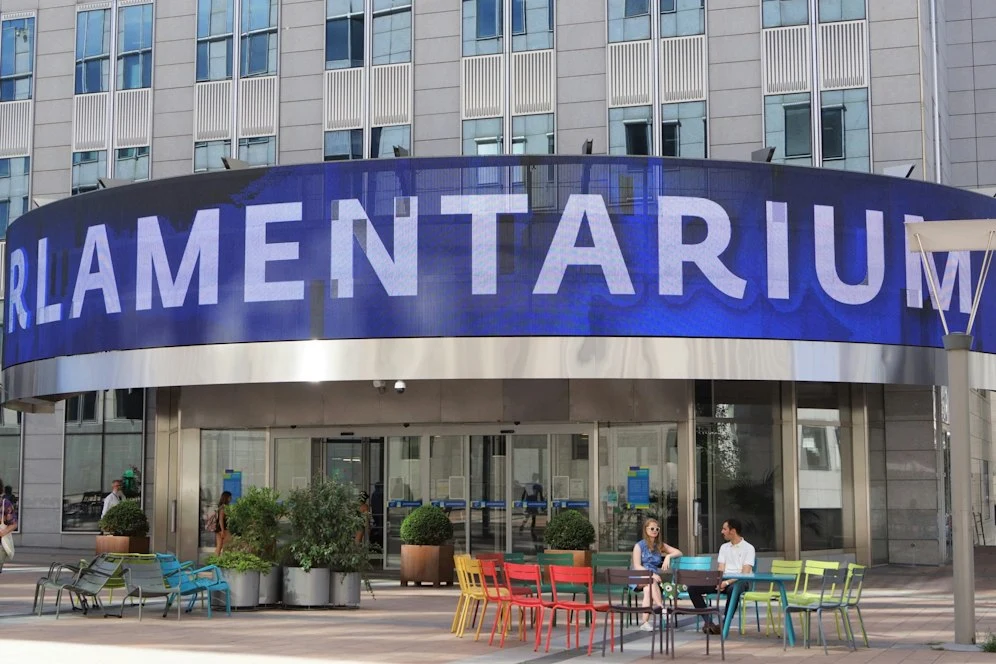
Interactive displays help explain the European Parliament and the stages of European integration.
 © Parlement européen - 2025
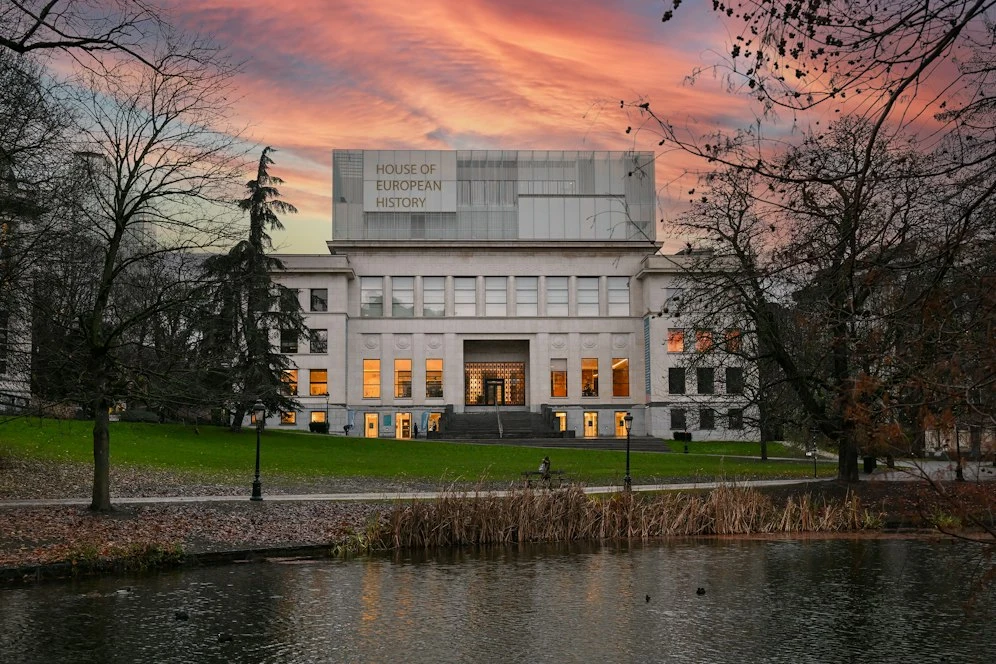
In Parc Léopold, objects, documents and films invite you to understand European history and reflect on democracy.
 Source: visit.brussels
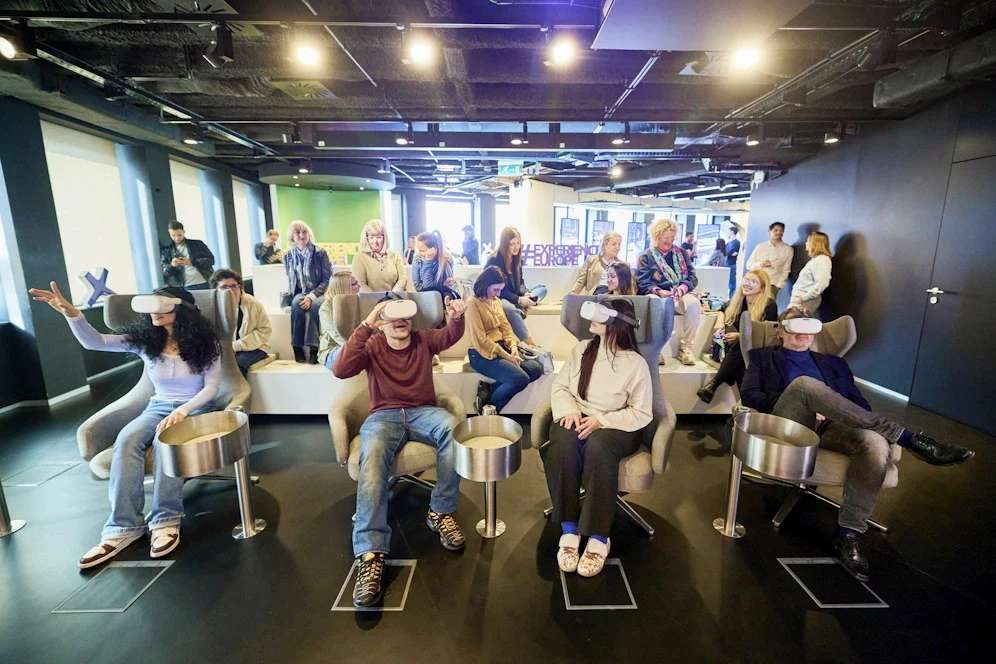
An immersive space at the Schuman roundabout to explore the European Commission's role in everyday life.
 Source: visit.brussels
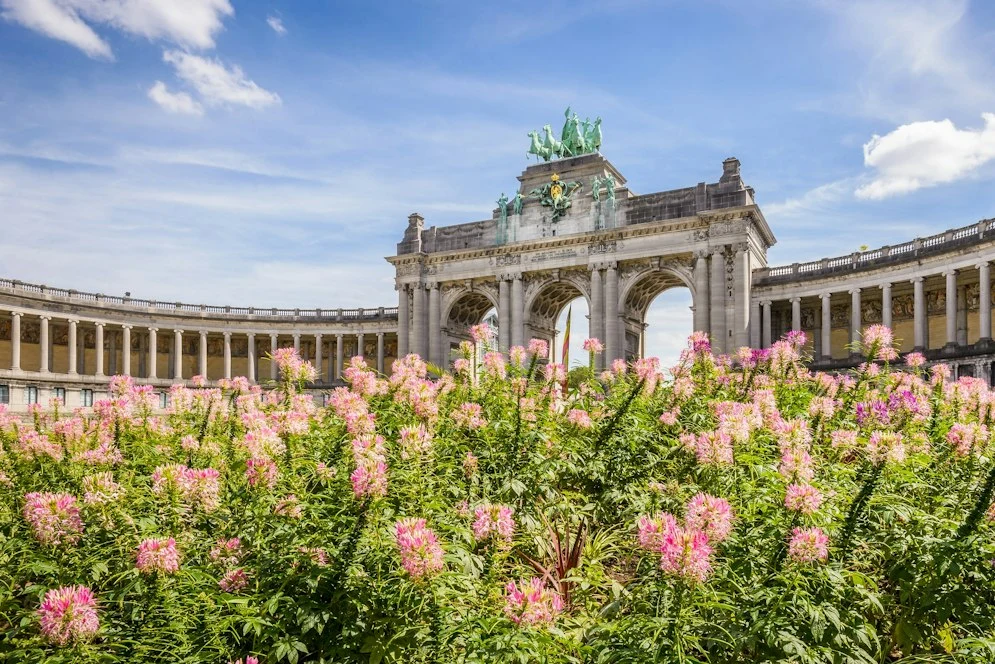
Broad avenues, gardens and arches form a monumental setting, with several museums to extend your visit.
 (c)kmkg-mrah
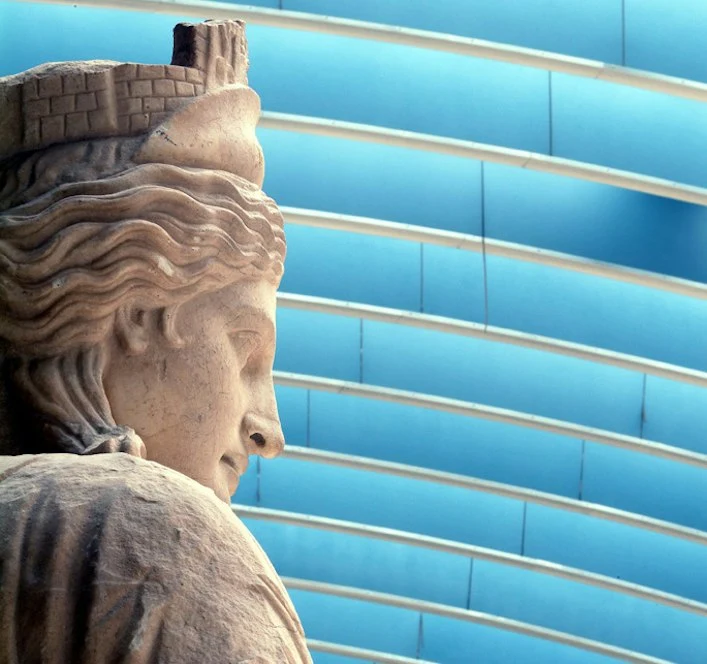
At the Cinquantenaire, discover collections from different periods and cultures, from Brussels tapestries and altarpieces to the arts of Asia and the Americas.
 Source: visit.brussels
At the Cinquantenaire, the history of the car unfolds through classic vehicles and a programme of temporary exhibitions.
 Source: visit.brussels
Dinosaurs, biodiversity and human evolution form the main permanent displays at this science museum near the European Parliament.
 Source: visit.brussels
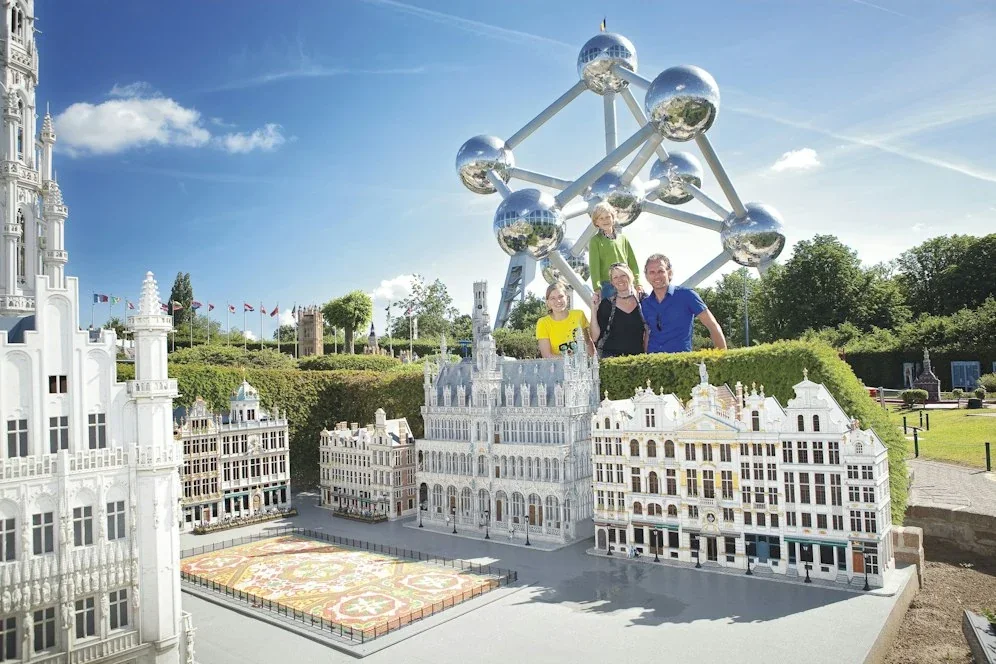
A walk among miniature European landmarks, with animations and gardens at the foot of the Atomium.
 visit.brussels
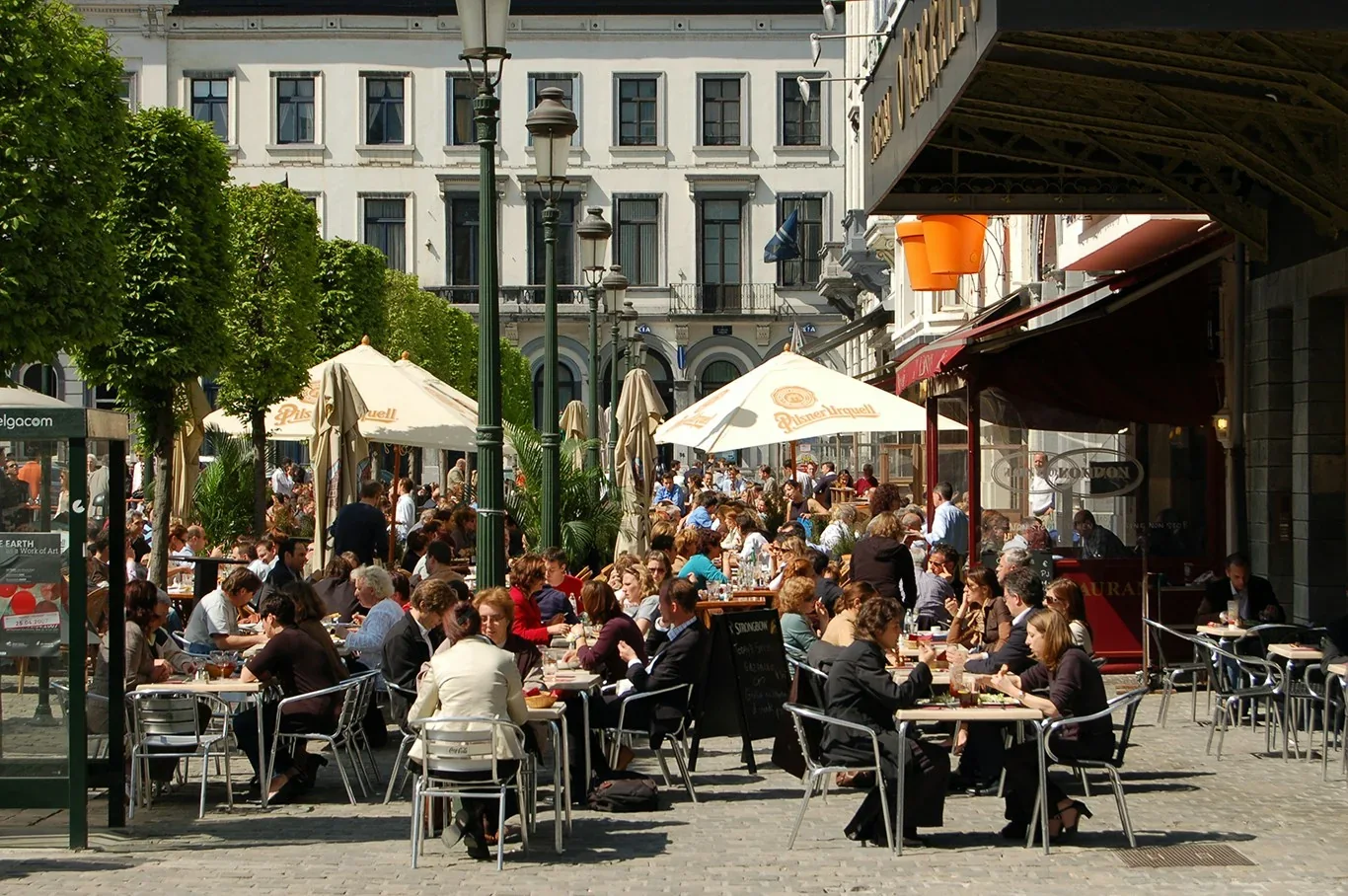
Institutions, museums, parks and lively squares form an international neighbourhood with plenty to discover beyond its offices.
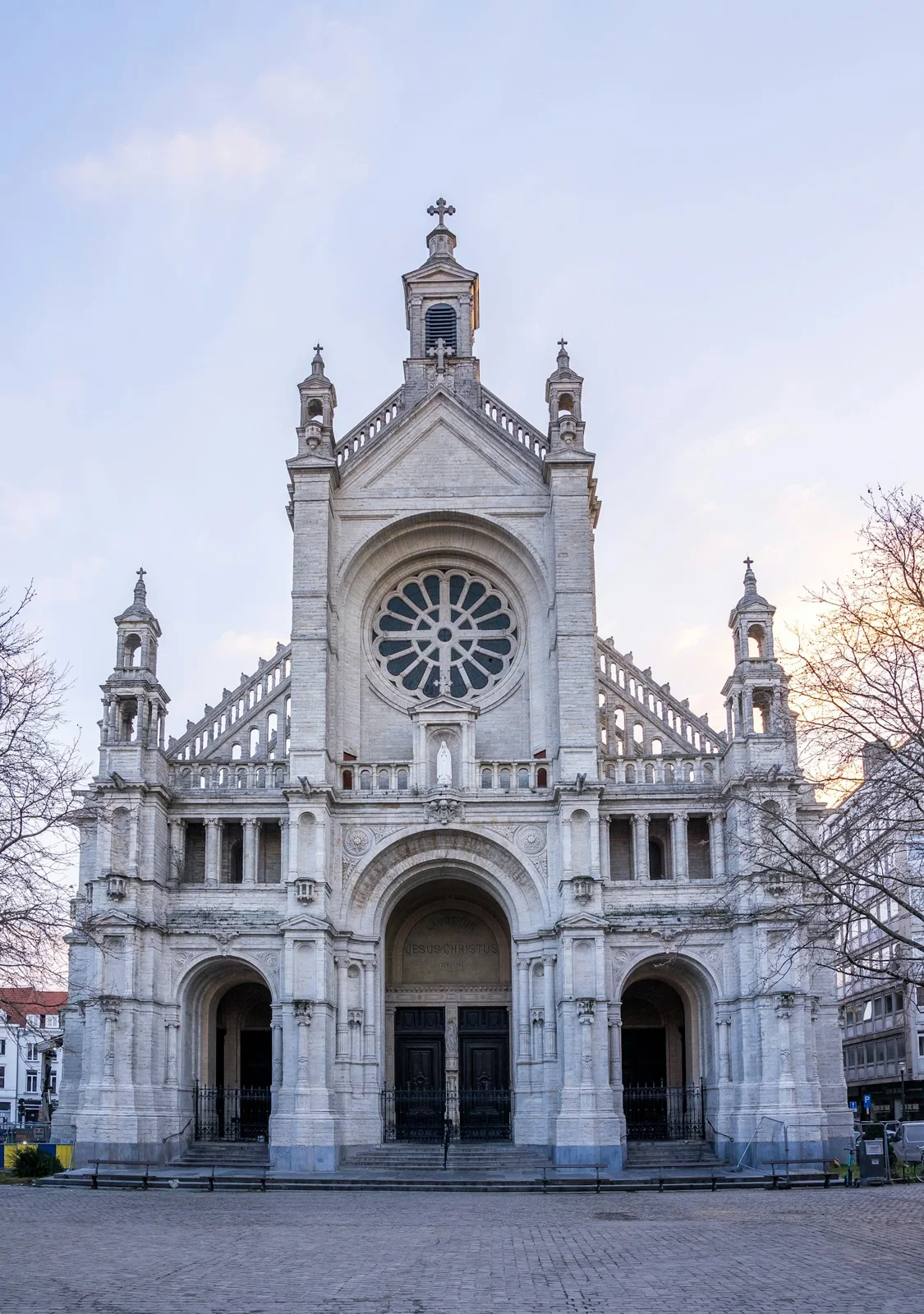 Leonhard Niederwimmer — Unsplash
Independent fashion, design, cafés and food come together around Rue Dansaert, Rue de Flandre and the Vismet.
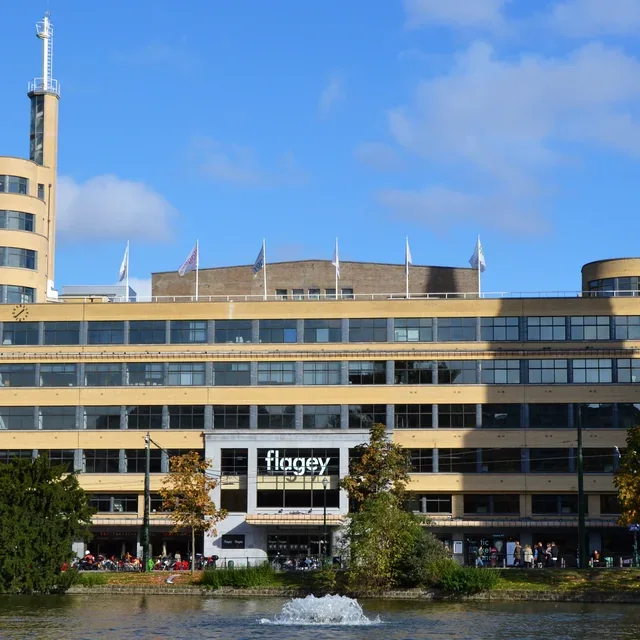 visit.brussels
A lively square, cafés, a music institution and the Ixelles ponds: culture and leisurely walks go hand in hand.
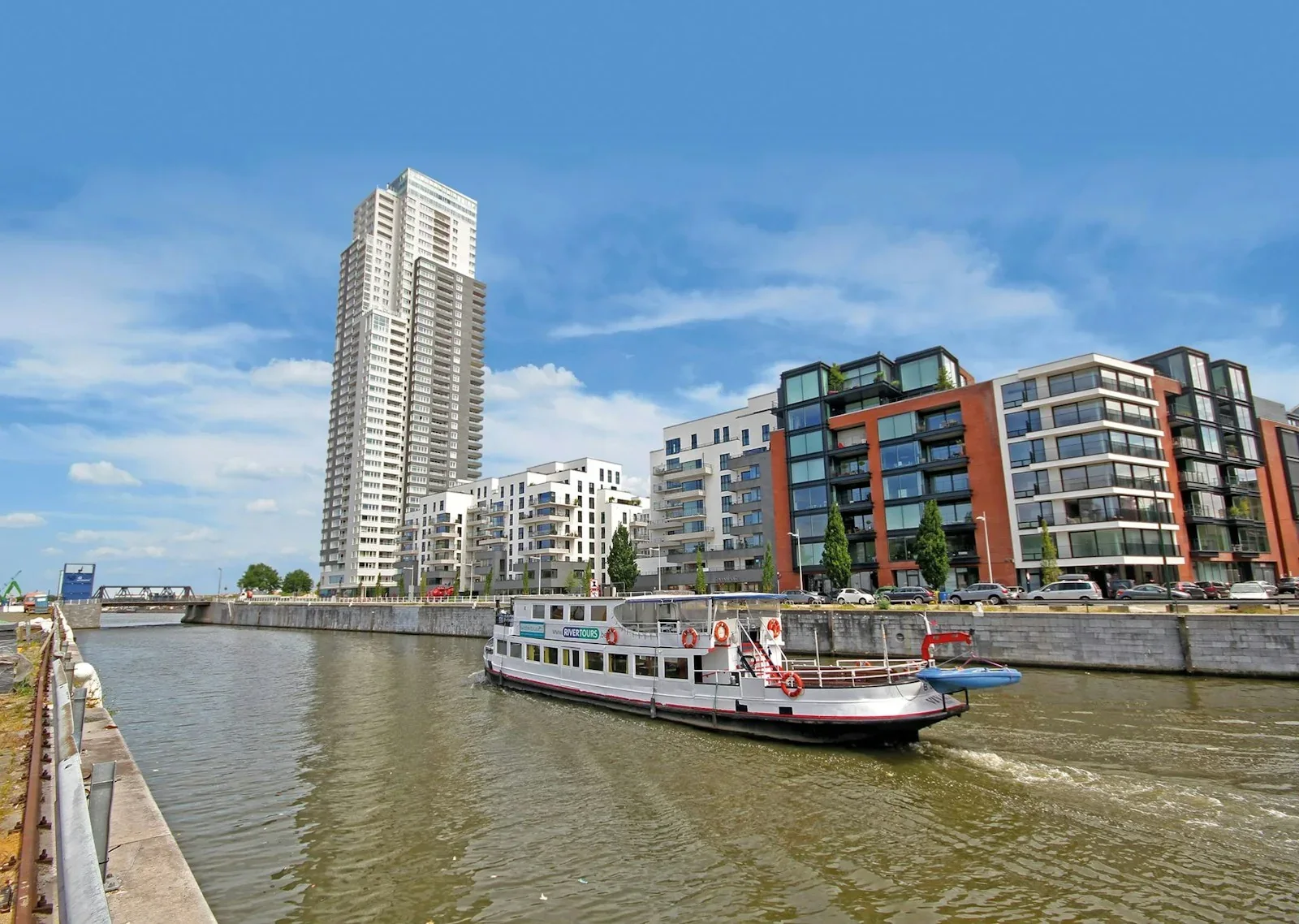 visit.brussels
Industrial heritage, street art, cultural venues and sustainable projects offer a different way to discover Brussels.
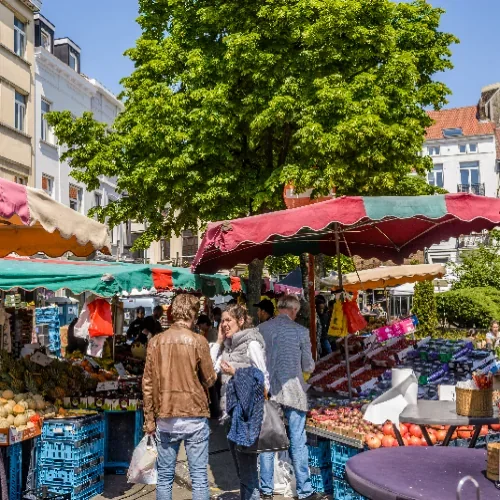 visit.brussels
Shops, galleries, Art Nouveau and tasty stops set the rhythm in the streets around Châtelain and Bailli.
 visit.brussels
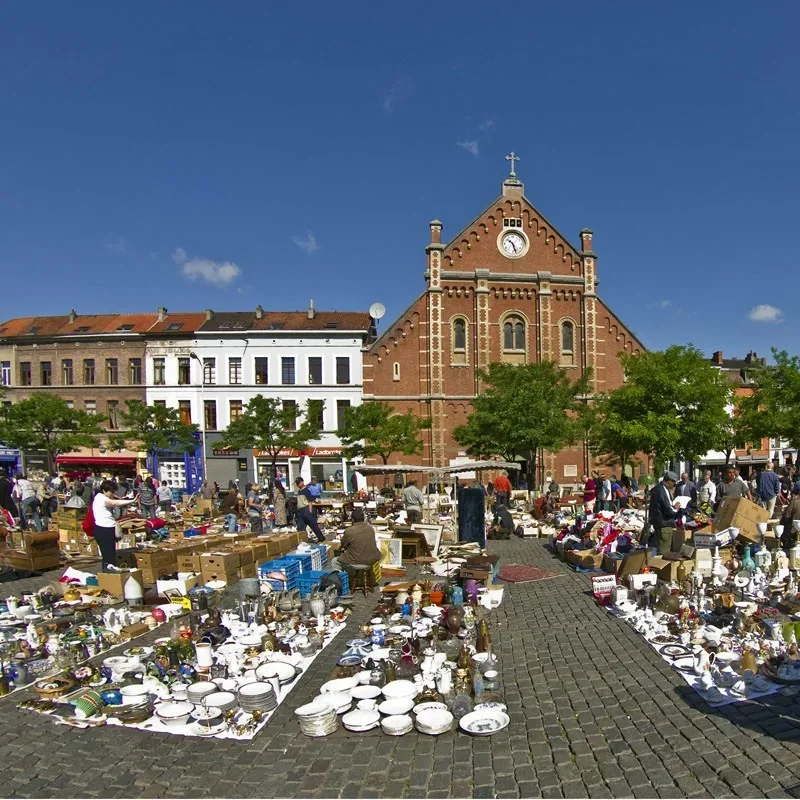
Antiques, chocolate, heritage and popular culture meet on a walk between two sides of the city centre.
 Source: visit.brussels
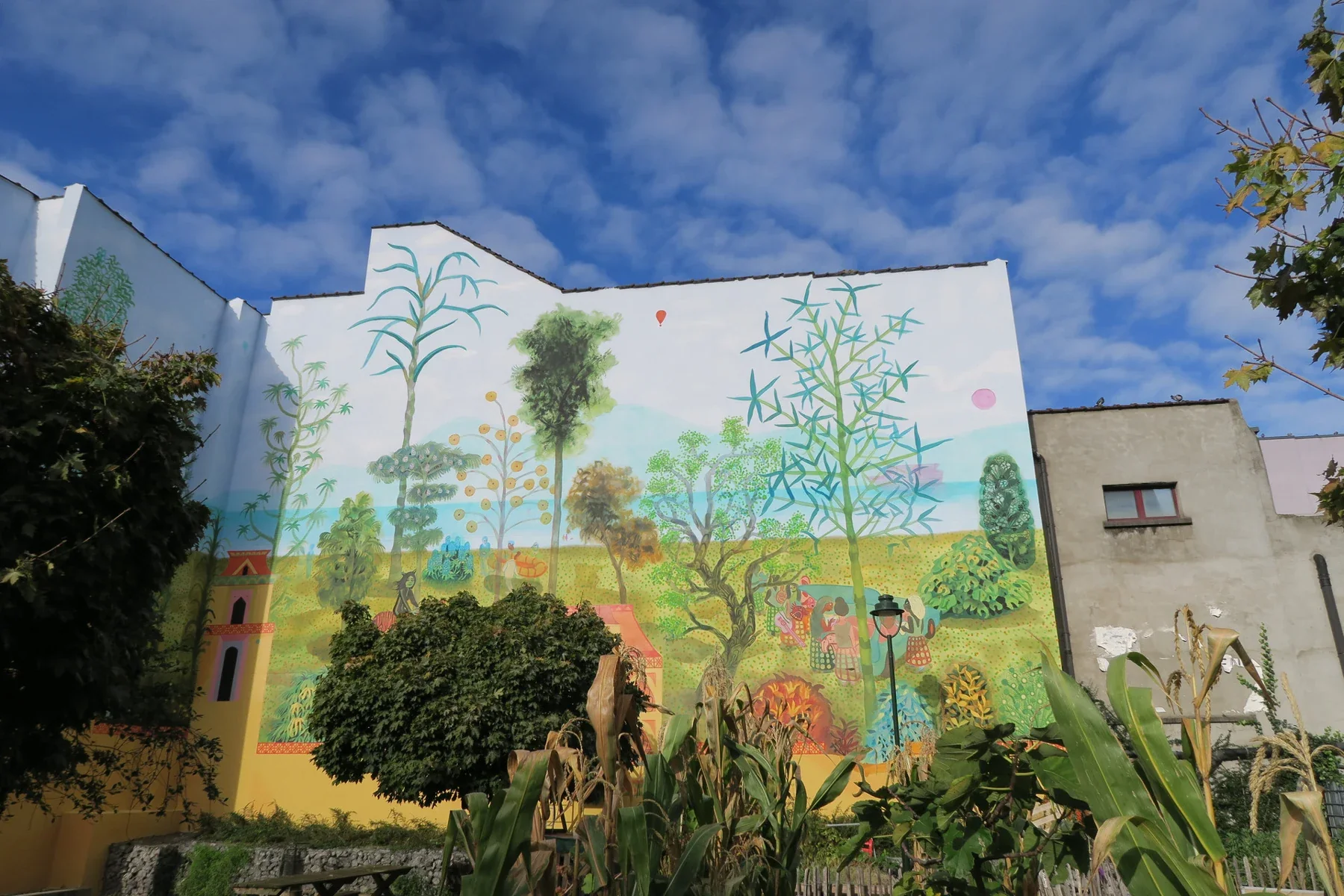
Look up: comic-book heroes appear on the walls as you explore the neighbourhoods.
 Source: visit.brussels
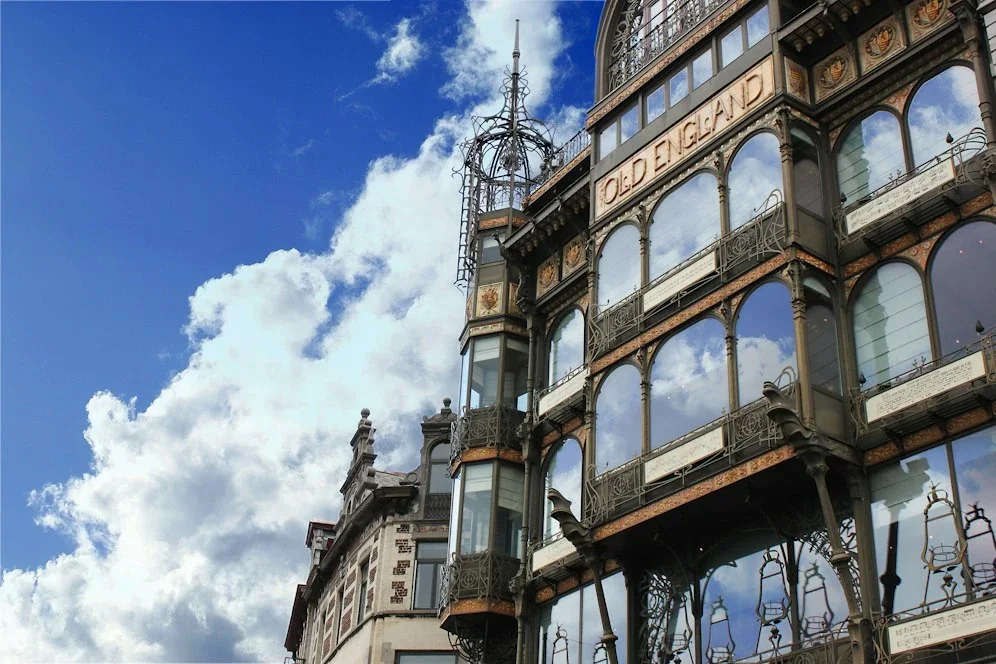
In the former Old England department store, discover historic and modern instruments from around the world on a listening tour across four floors.
 (c) Jasmine Van Hevel
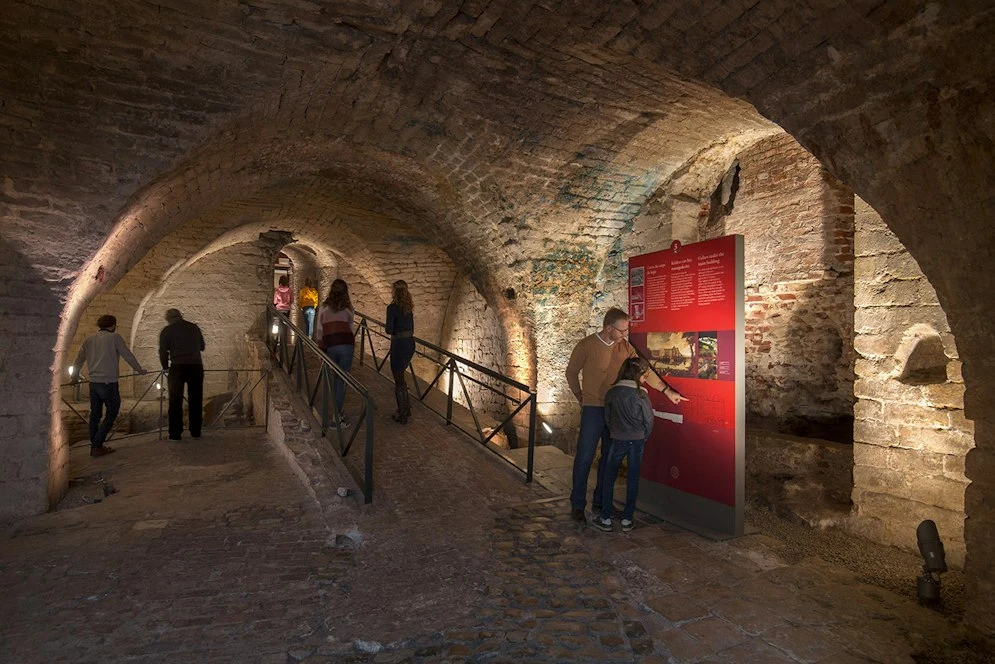
Beneath the Royal Quarter, explore the rooms and passages of Charles V’s former palace, as well as rue Isabelle, which is now underground.
 © Eric Danhier
You can explore Brussels with a cone of fries in hand: its friteries offer a tasty break in neighbourhoods across the city.
 © Lil Bao
A city to taste on the go: the official selection explores food and places with roots around the world.
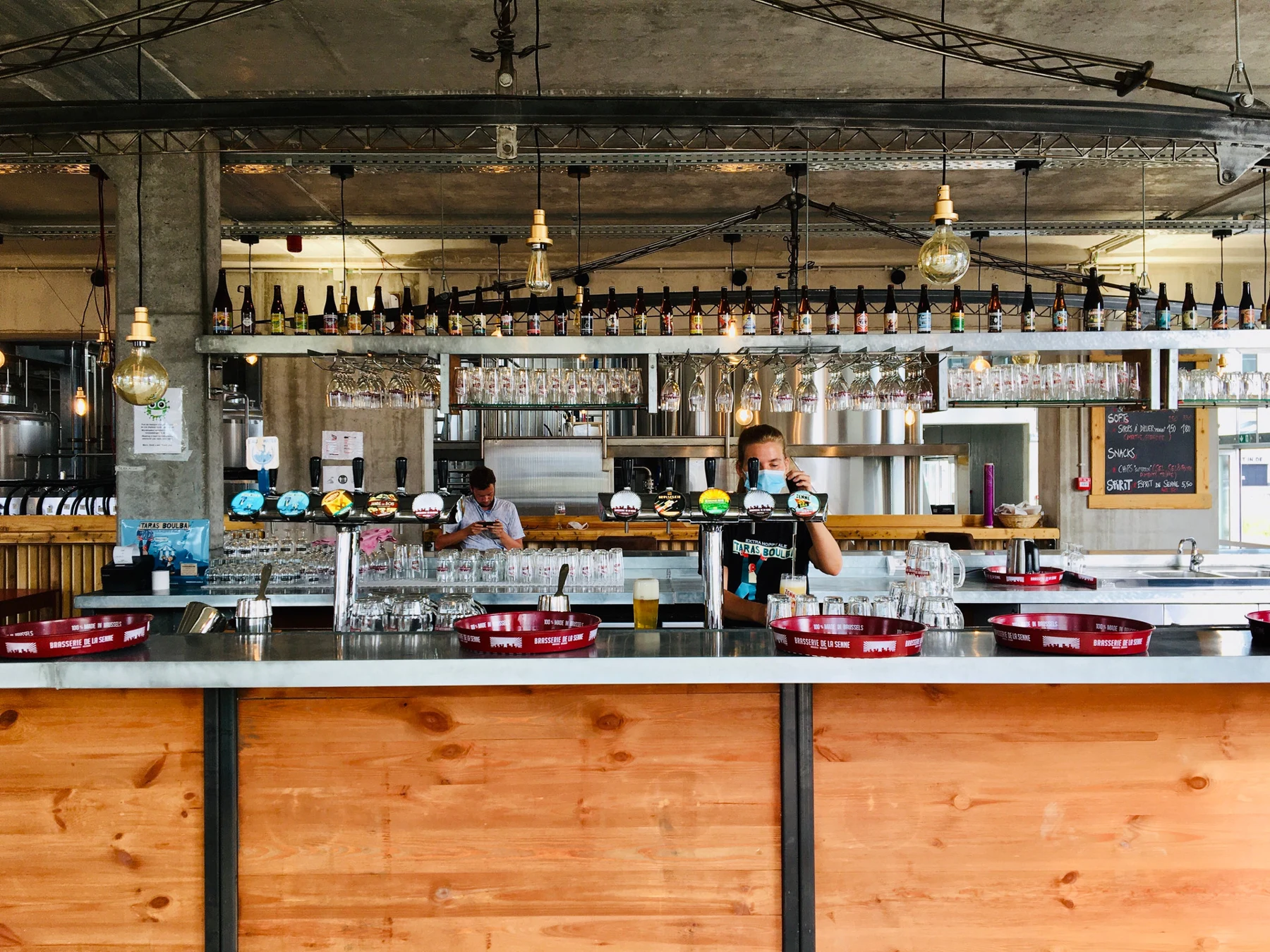 © Brasserie de la Senne
Historic lambic, craft beers and taprooms trace a route through the capital's brewing traditions.
 © Lil Bao
A selection of places to discover vegetarian and vegan food in Brussels.
 Source: visit.brussels
Artisans, established names and new creations: a delicious trail through Brussels' chocolate shops.
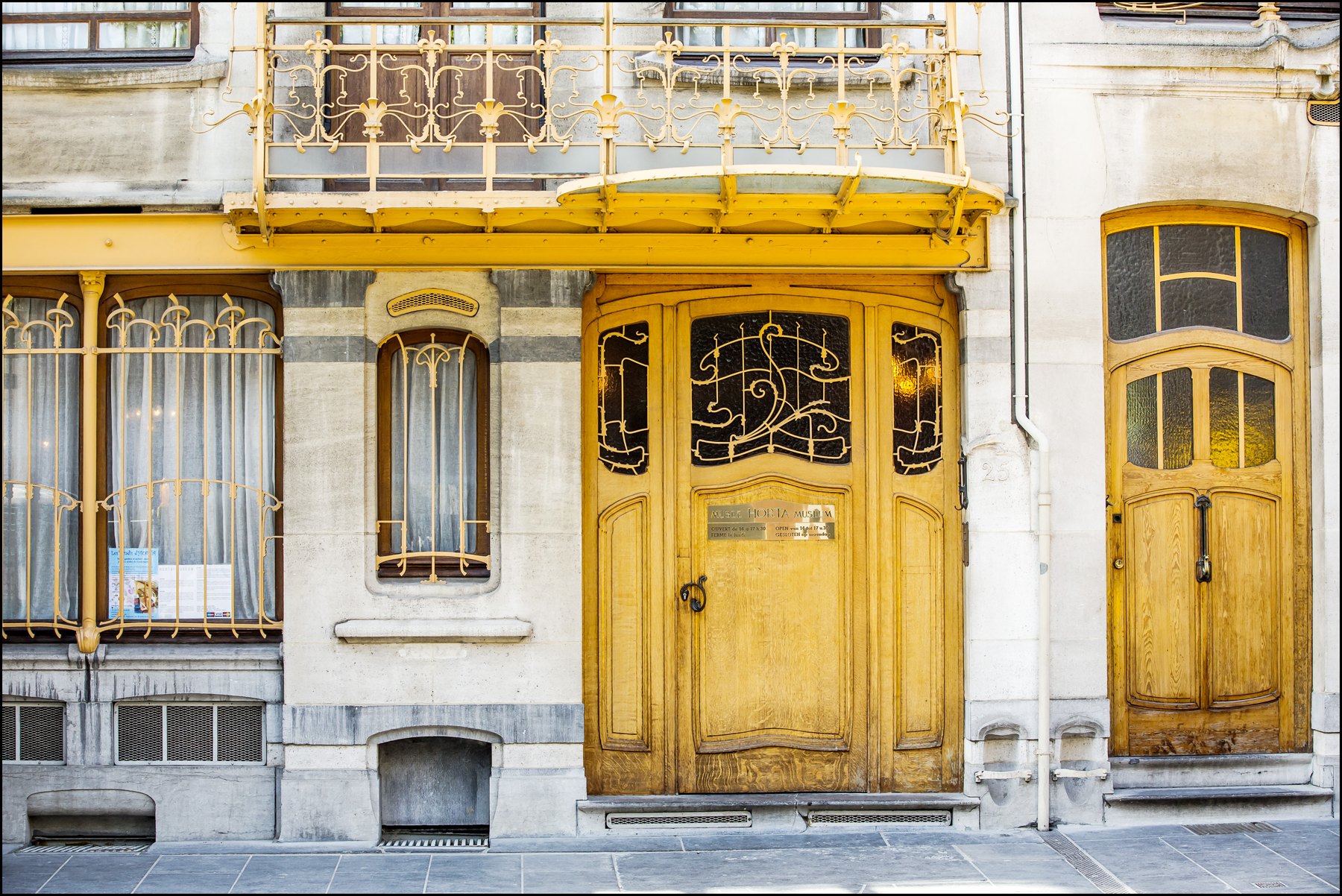 © Eric Danhier
Follow the lines, curves and details of Brussels' landmark Art Nouveau houses.
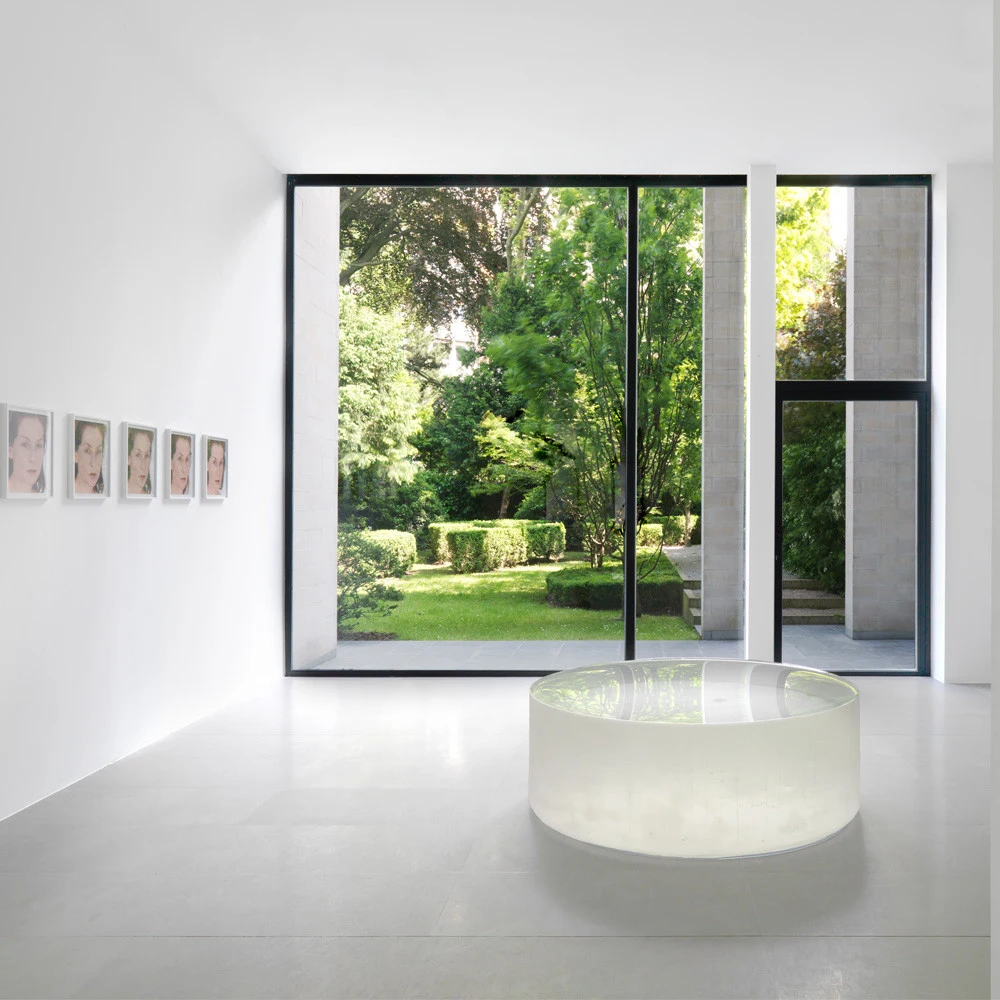 Source: visit.brussels
Exhibitions, galleries and art centres invite you to explore contemporary creativity across Brussels.
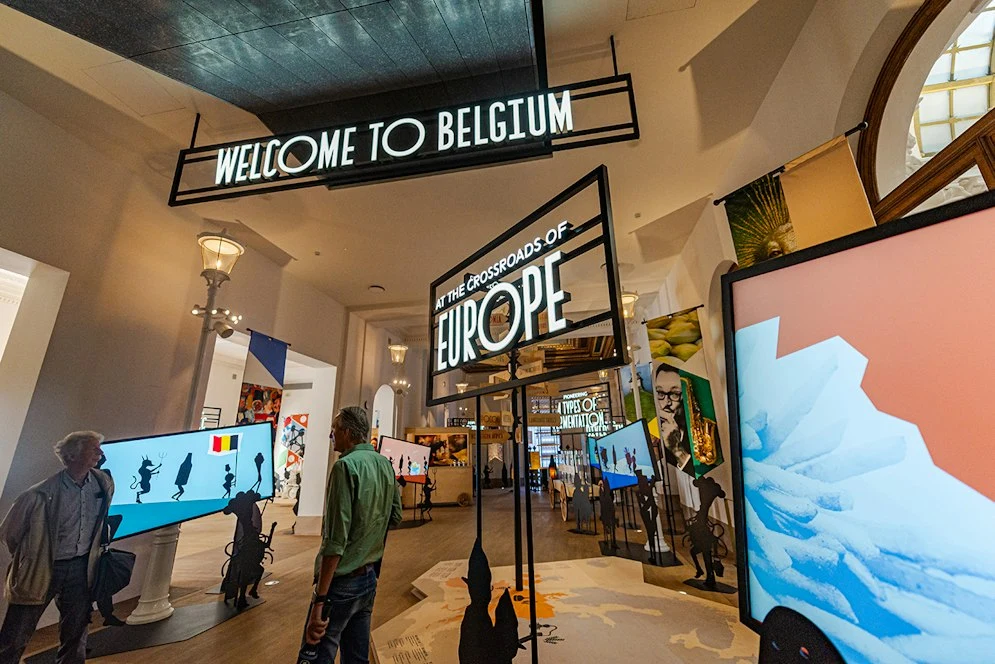 Source: visit.brussels
Inside the Bourse, an interactive trail explores Belgian beer culture and continues with a view over the city.
 © Chez Léon
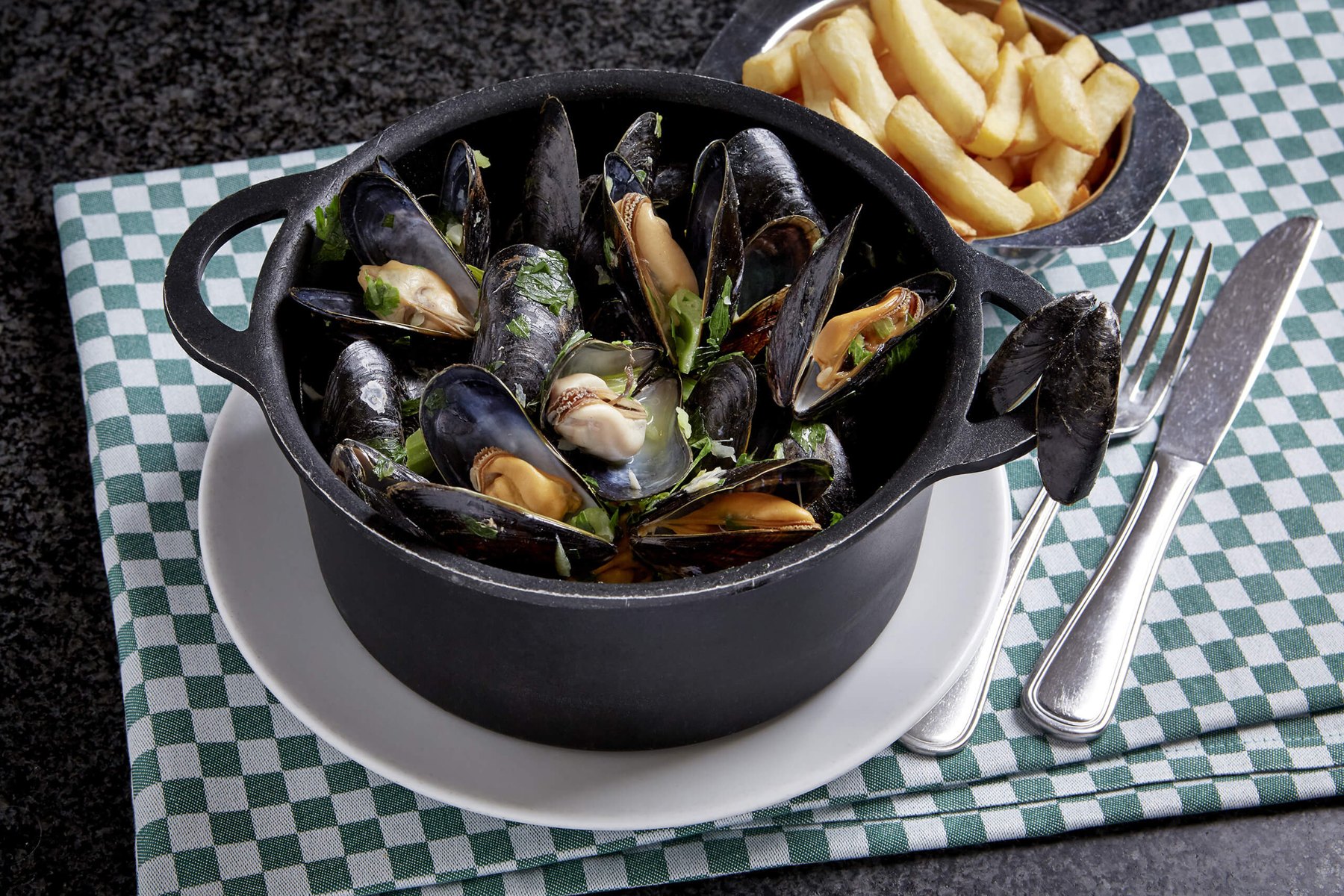
Waffles, stoemp, carbonnade, chocolate and croquettes: local flavours offer another way into the city.
 Eric Danhier — visit.brussels
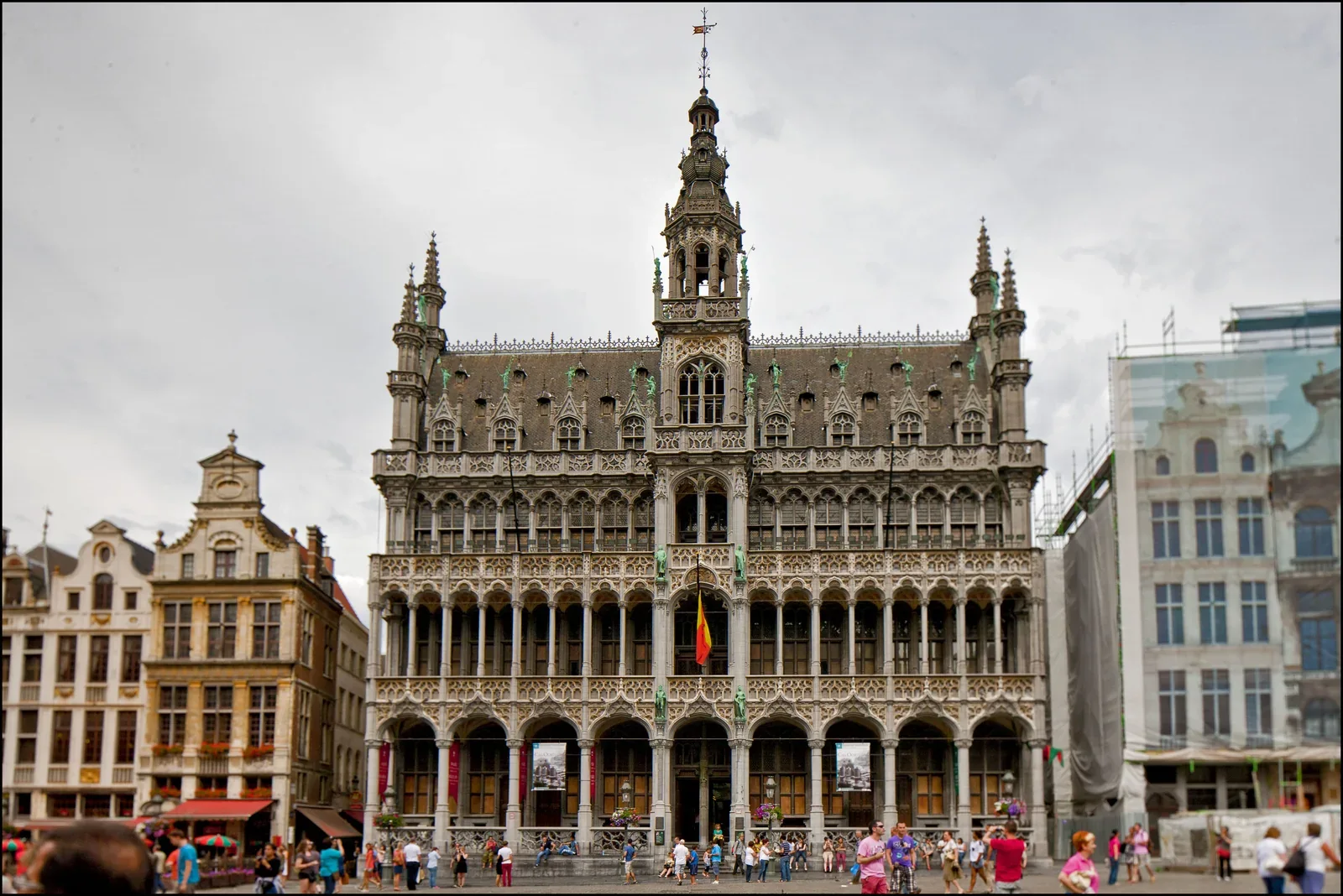
On the Grand-Place, the Maison du Roi houses a museum devoted to Brussels and its memory in an iconic neo-Gothic building.
 Luc Viatour — visit.brussels
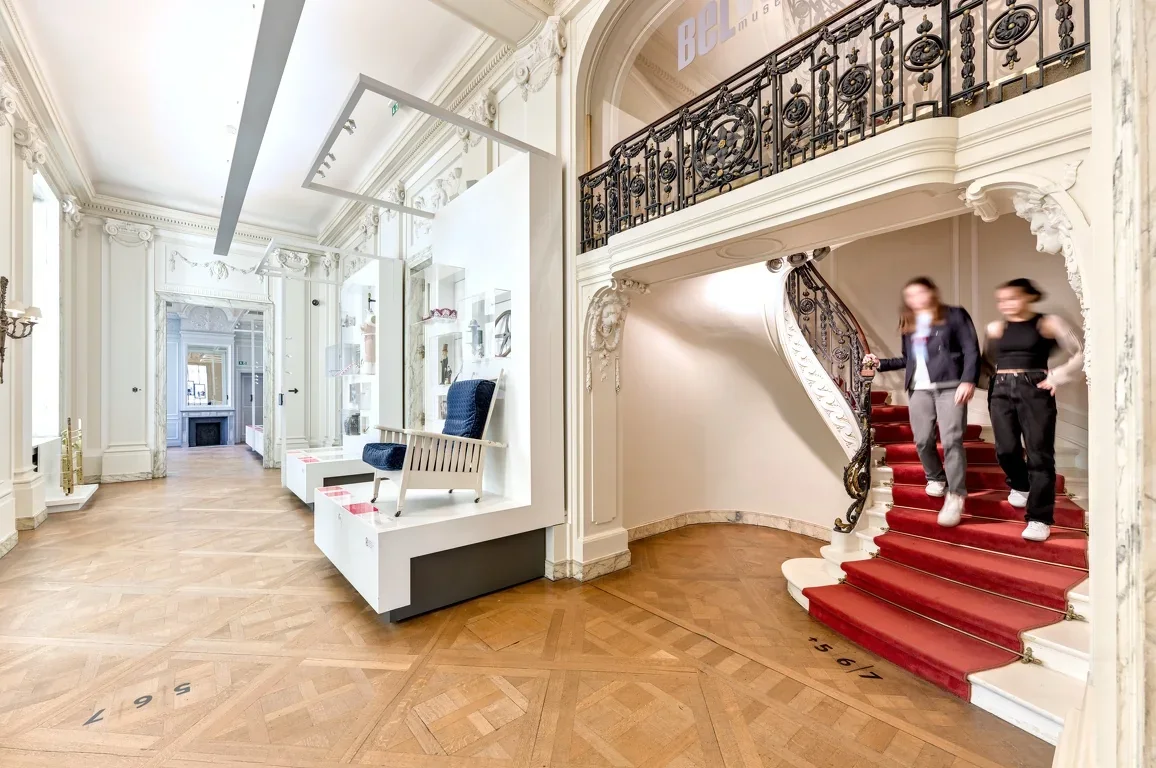
Discover Belgium and its history through seven social themes and a collection of objects, next to the Royal Palace.
 © visit.brussels — Jean-Paul Remy
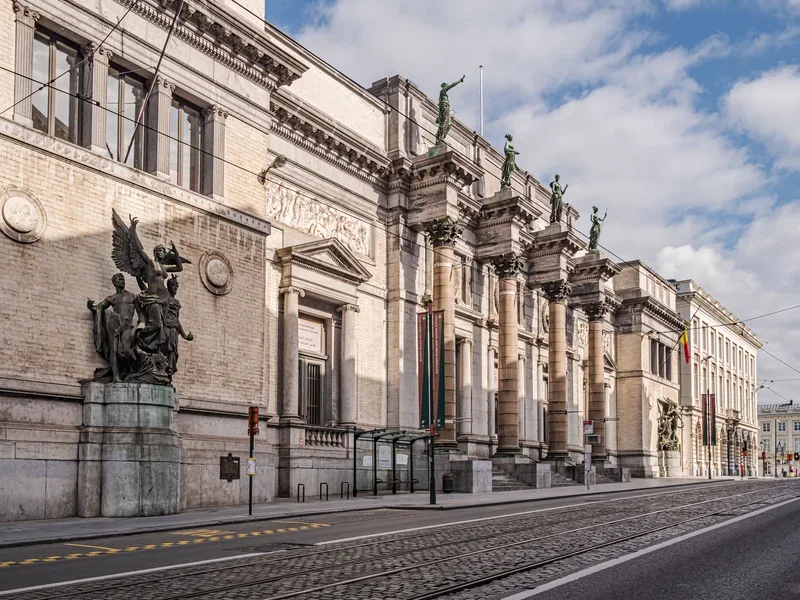
The Musées royaux des Beaux-Arts display paintings from the 15th to the 18th century, from the historic Low Countries to the French and Italian schools.
 Source: visit.brussels
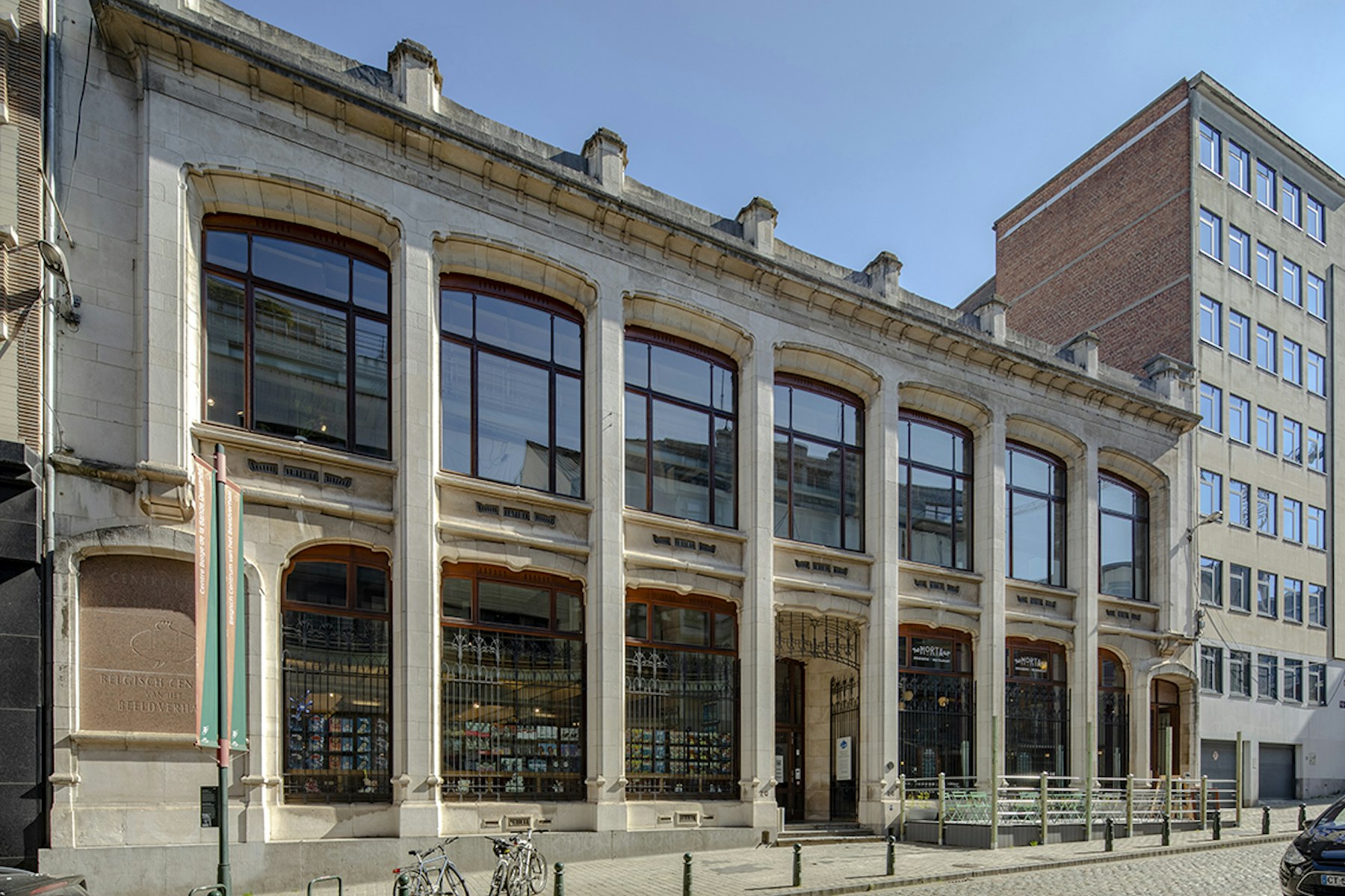
Explore the creation and history of Belgian comics in an Art Nouveau building designed by Victor Horta.
 © visit.brussels — Marin Driguez / Agence VU'
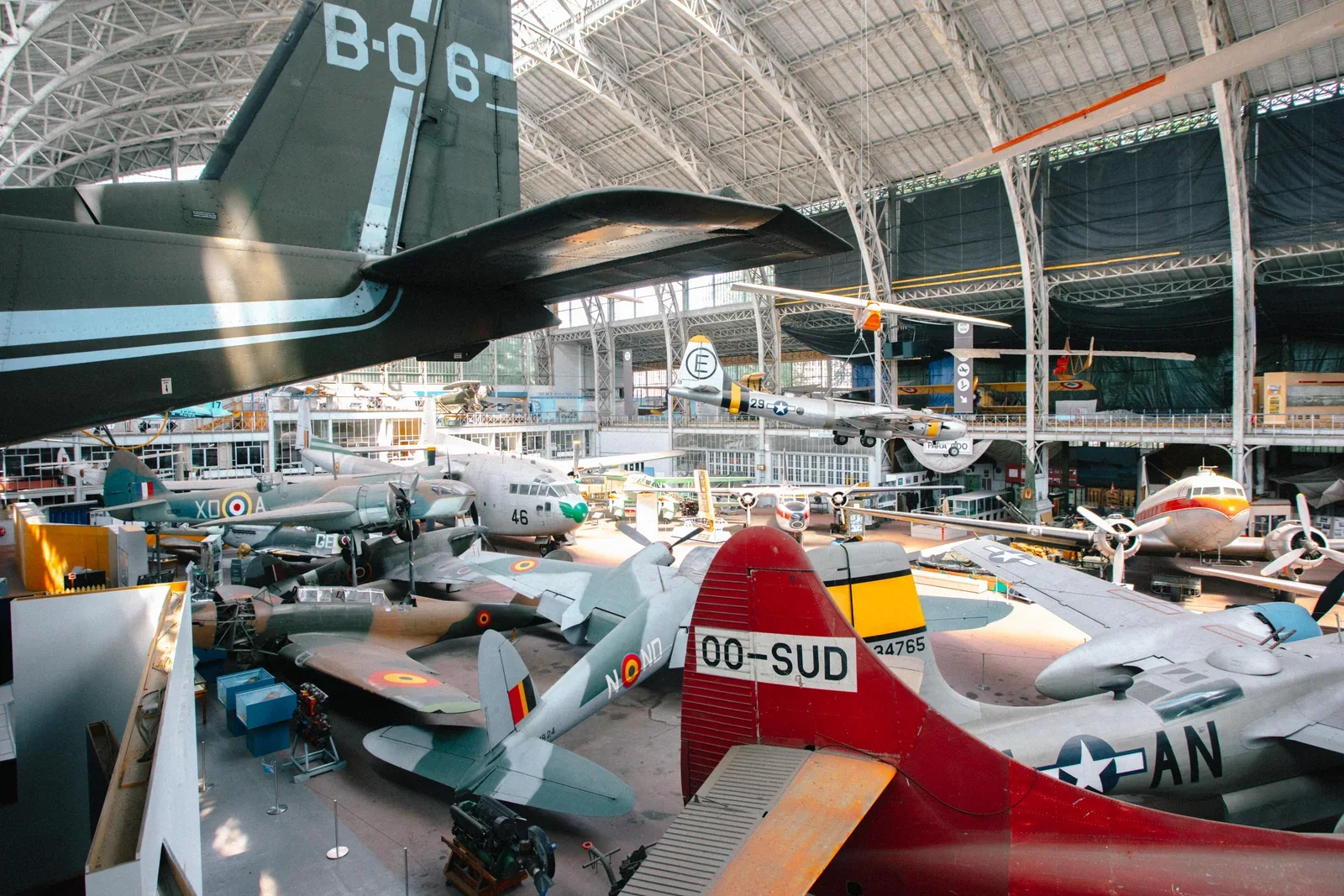
From weapons and armour to the Aviation Hall, the galleries at the Cinquantenaire explore military history and aviation.
 Source: visit.brussels
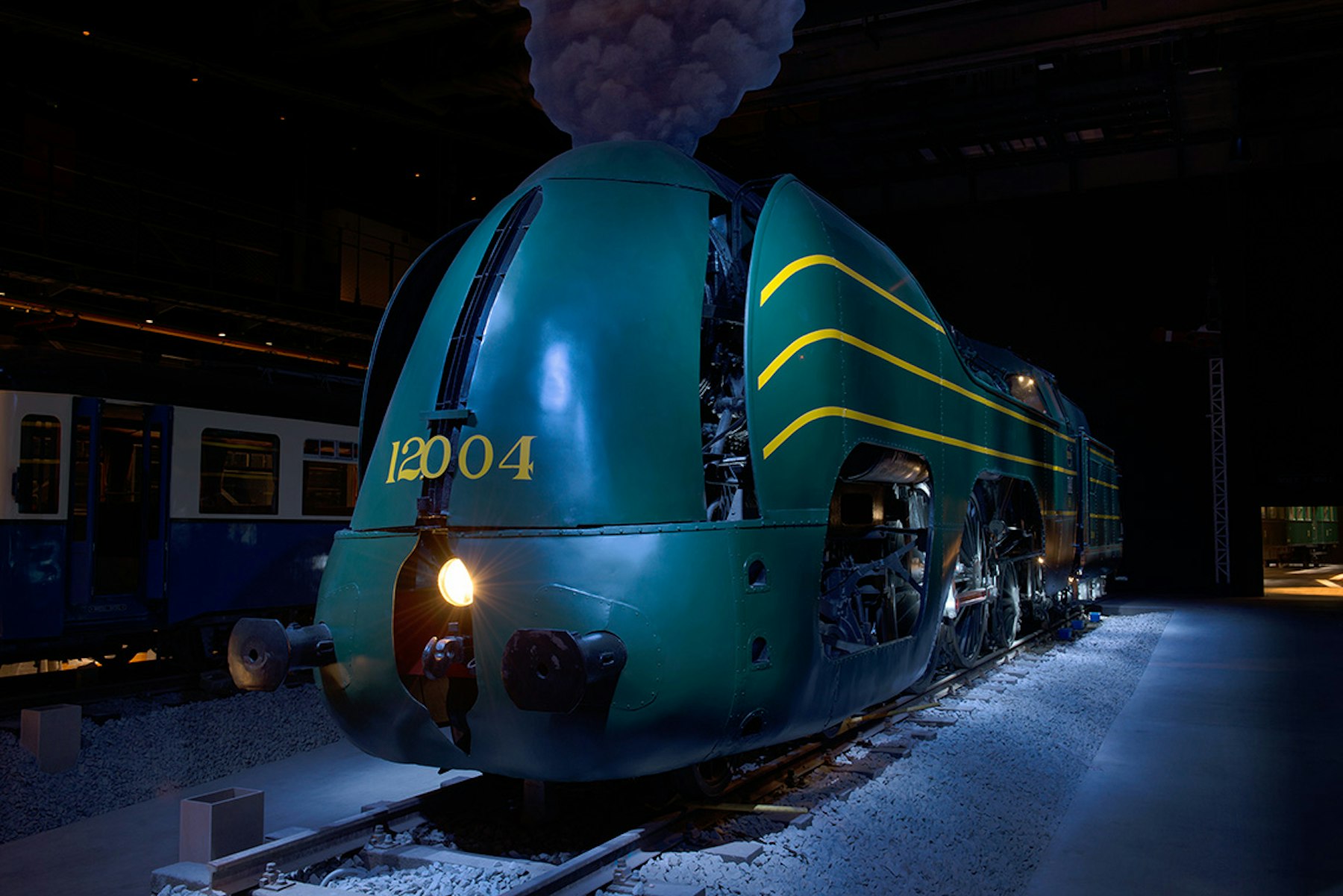
In Schaerbeek station and its museum halls, SNCB tells the story of the past, present and future of Belgian railways.
 Creativeroom SPRL — Simon Beuzart — visit.brussels
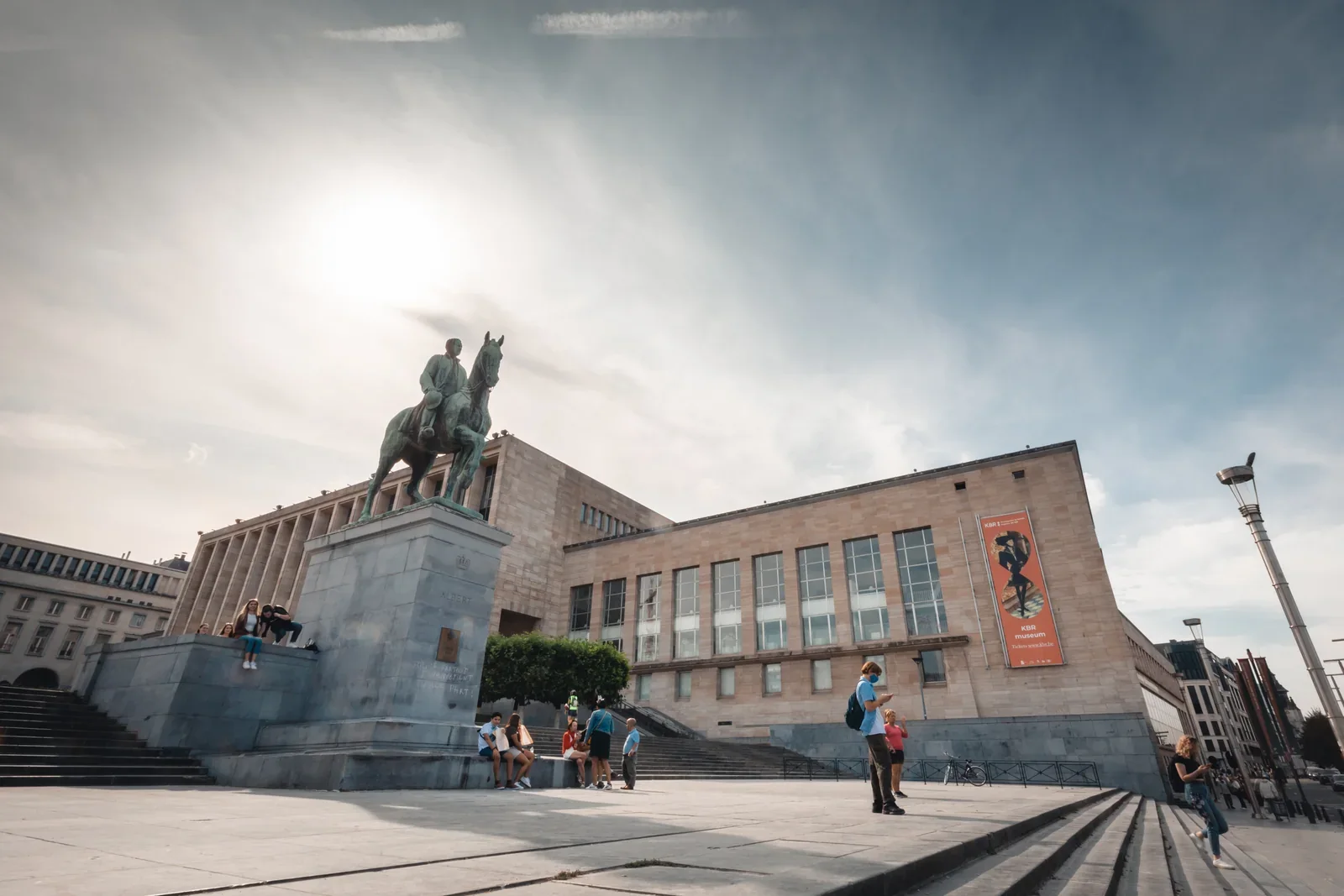
The manuscripts from the library of the Dukes of Burgundy offer a window onto the Middle Ages, manuscript illumination and bookmaking.
 LocalGuide.brussels
Near Manneken-Pis, the museum explores the potato, the stories surrounding Belgian fries and the traditions of the chip shop.
 LocalGuide.brussels
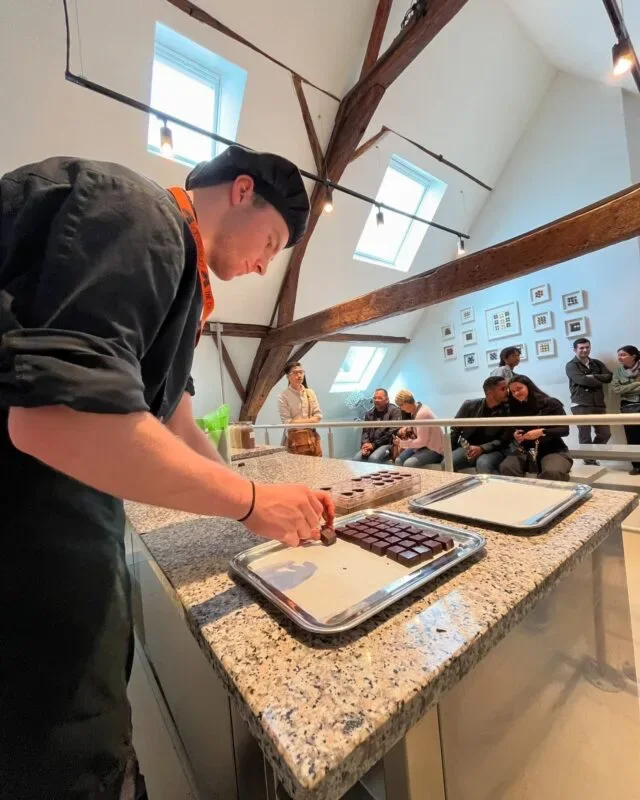
A visitor route devoted to cocoa and Belgian chocolate, including a demonstration of traditional praline making.
 visit.brussels
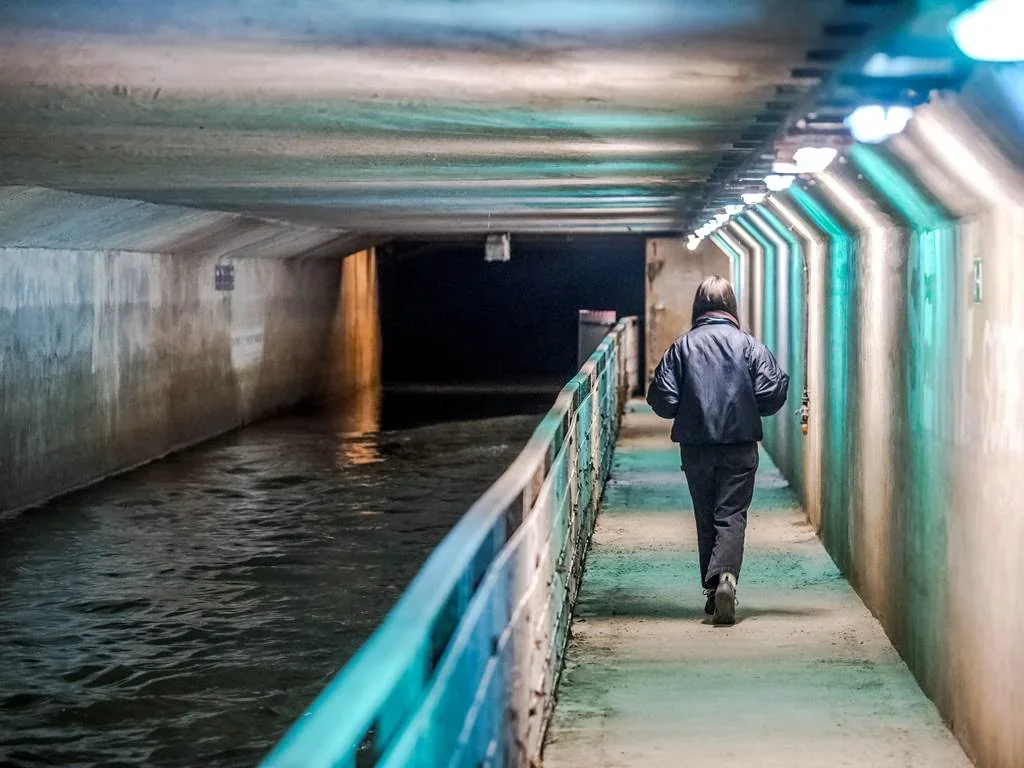
At the Porte d’Anderlecht, discover what happens behind the scenes in the sewer network and the underground presence of the Senne.
 visit.brussels
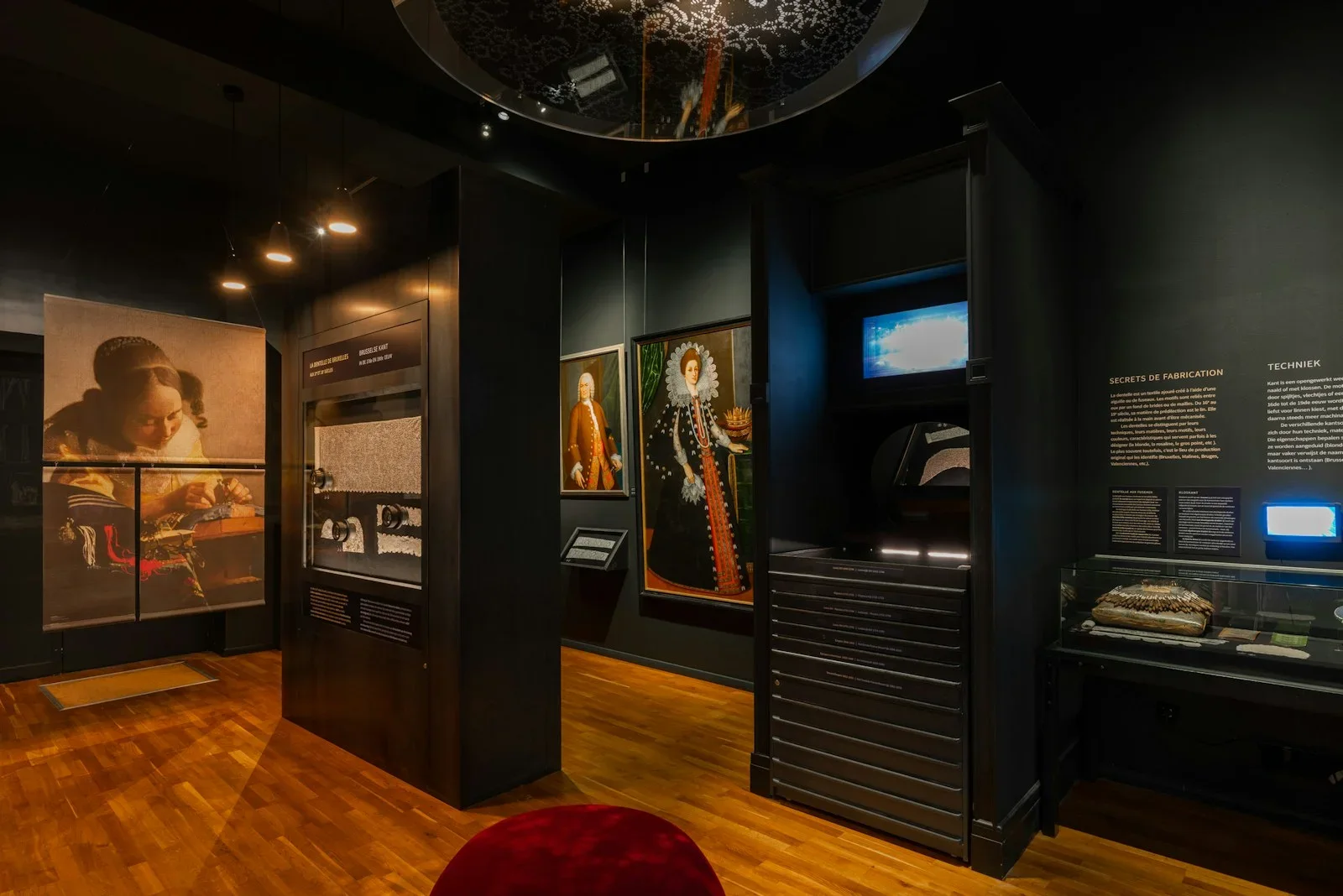
Through themed exhibitions and the Chambre des Dentelles, the museum tells the story of clothing, design and textile craftsmanship.
 visit.brussels
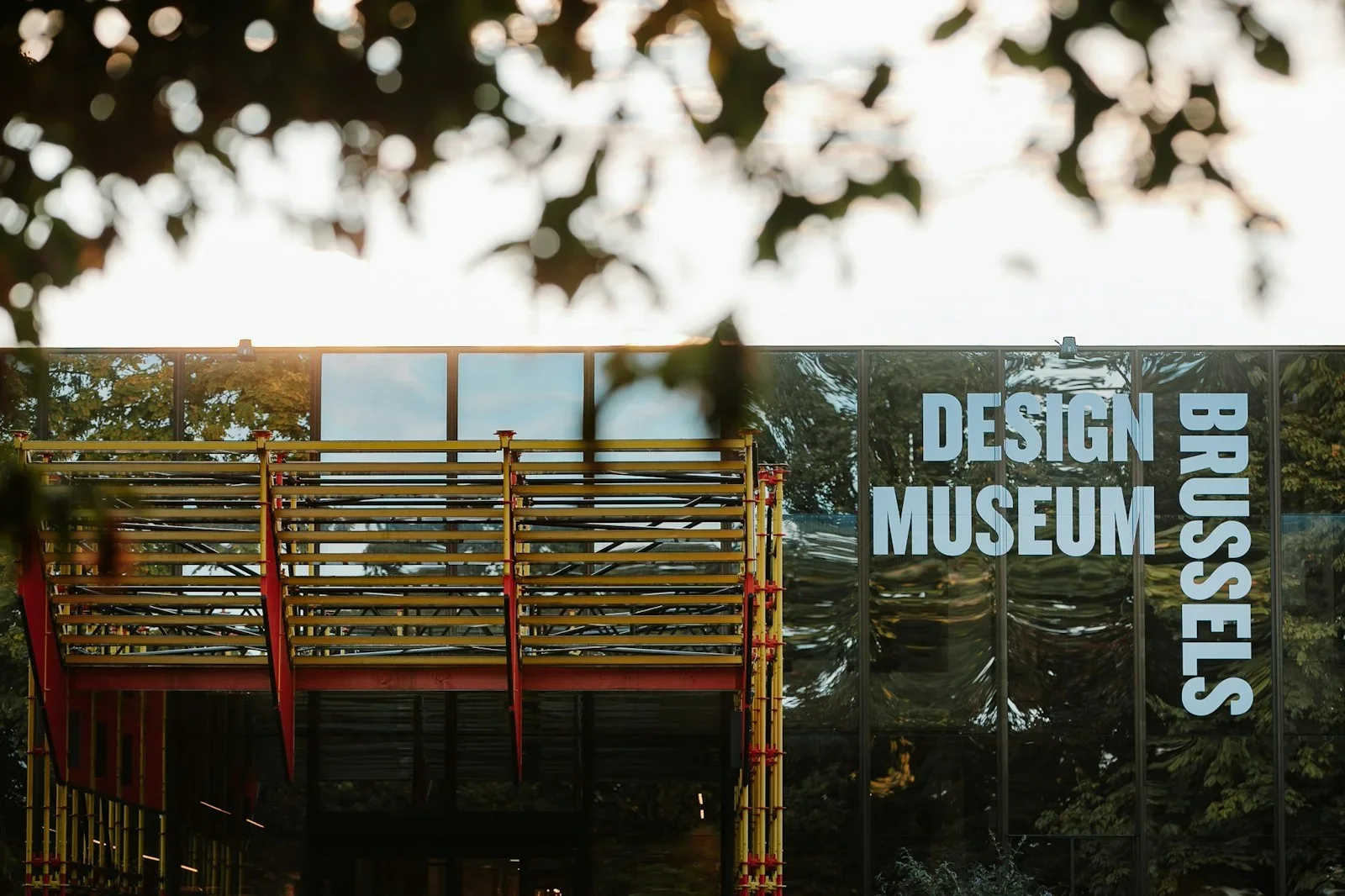
Near the Atomium, discover the history of design, plastic objects and Belgian design through collections and exhibitions.
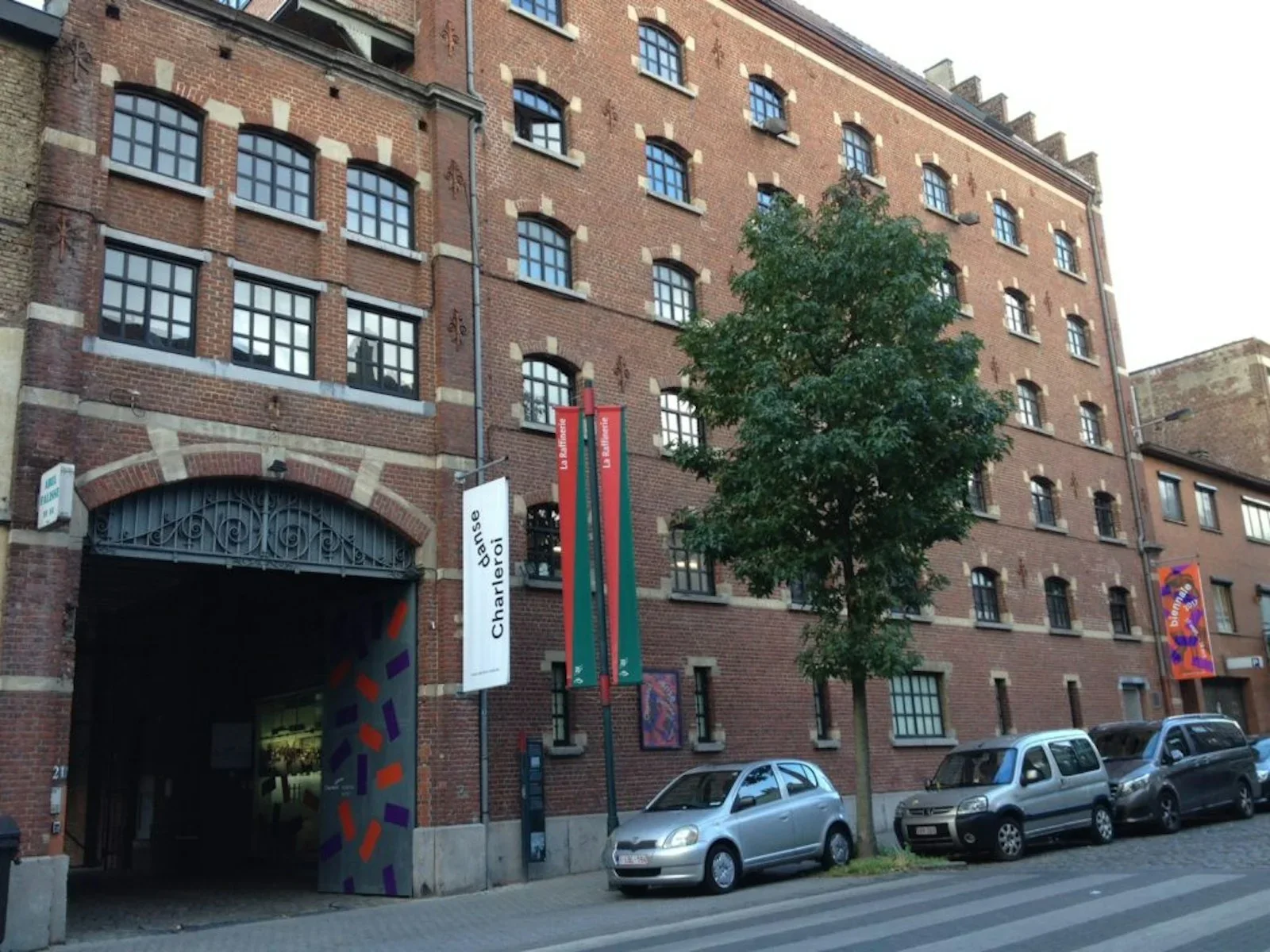 visit.brussels
The Made in Brussels exhibition tells the story of the metal, wood, textile and food industries, as well as work and techniques.
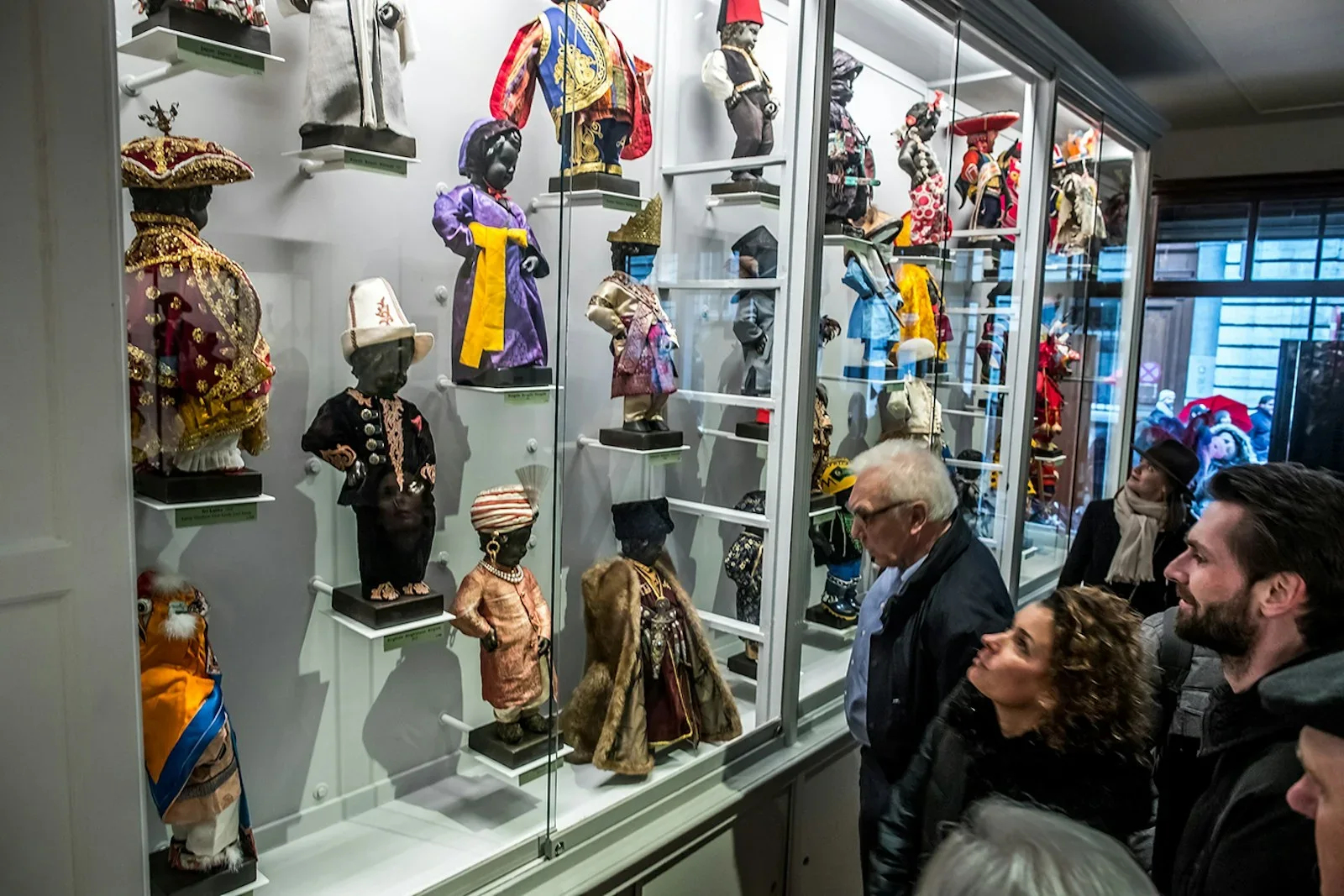 visit.brussels
A few streets from the fountain, discover the costumes of Brussels’ most famous little character and a very lively tradition.
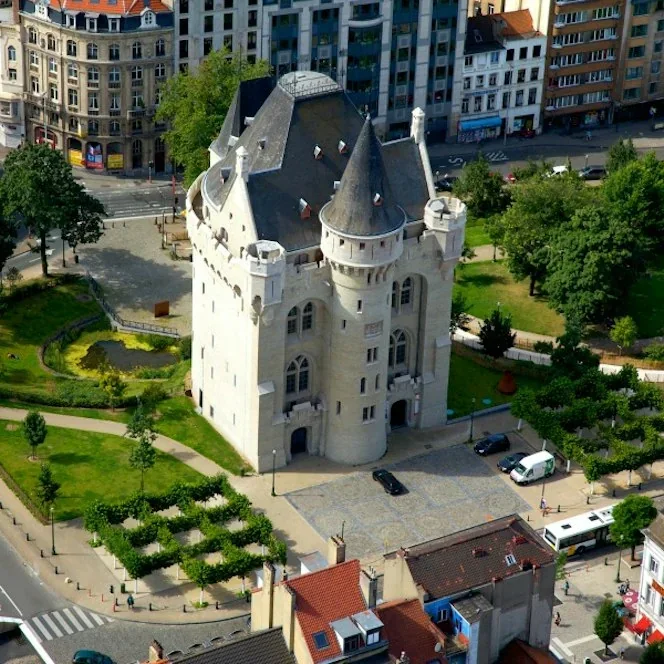 visit.brussels
The last major remnant of Brussels’ second city wall preserves medieval rooms and collections devoted to the history of the fortifications.
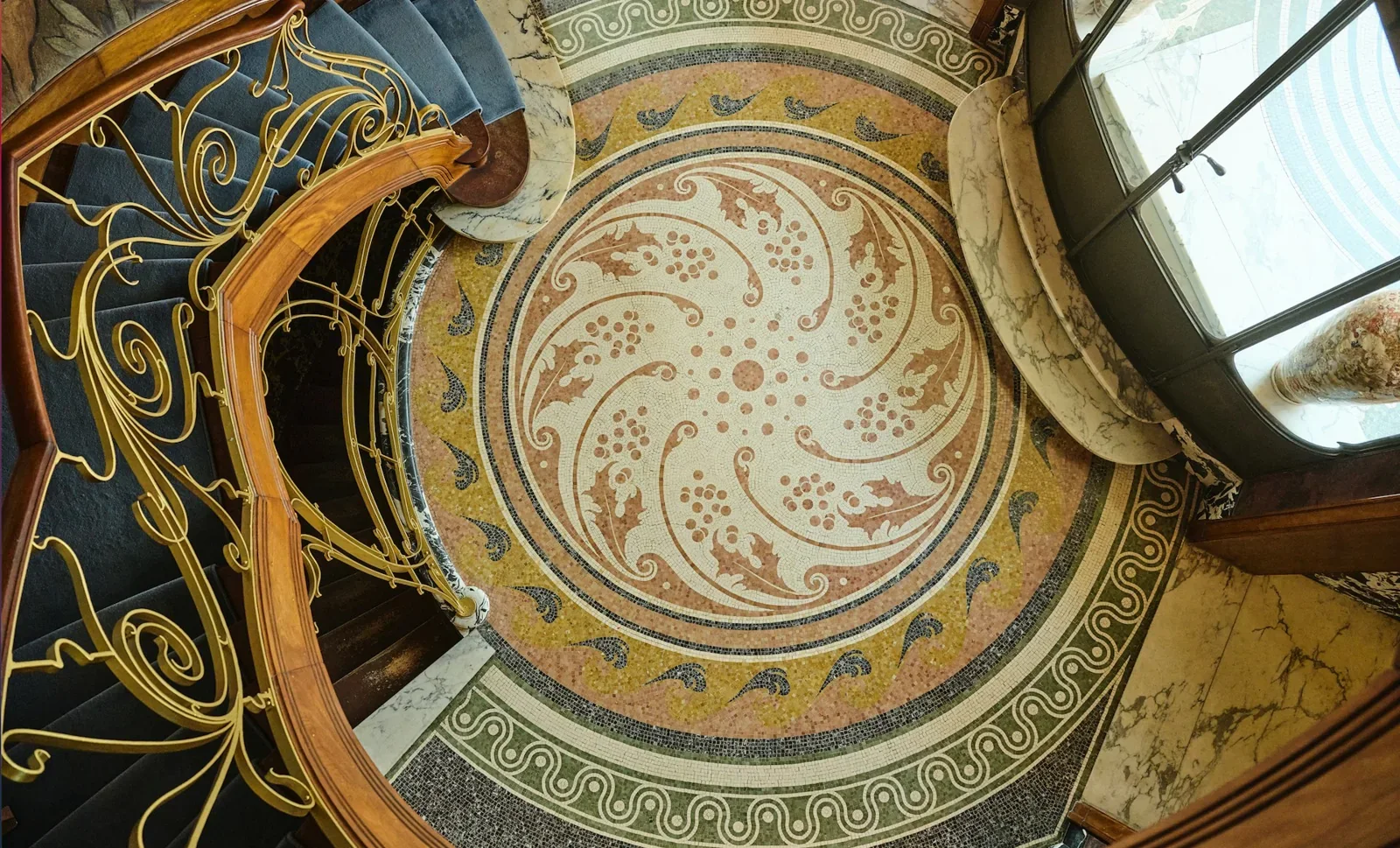 Brussels Museums
An Art Nouveau house in Saint-Gilles, to discover through its architecture, decoration and cultural programme.
 © Marie-Françoise Plissart · visit.brussels
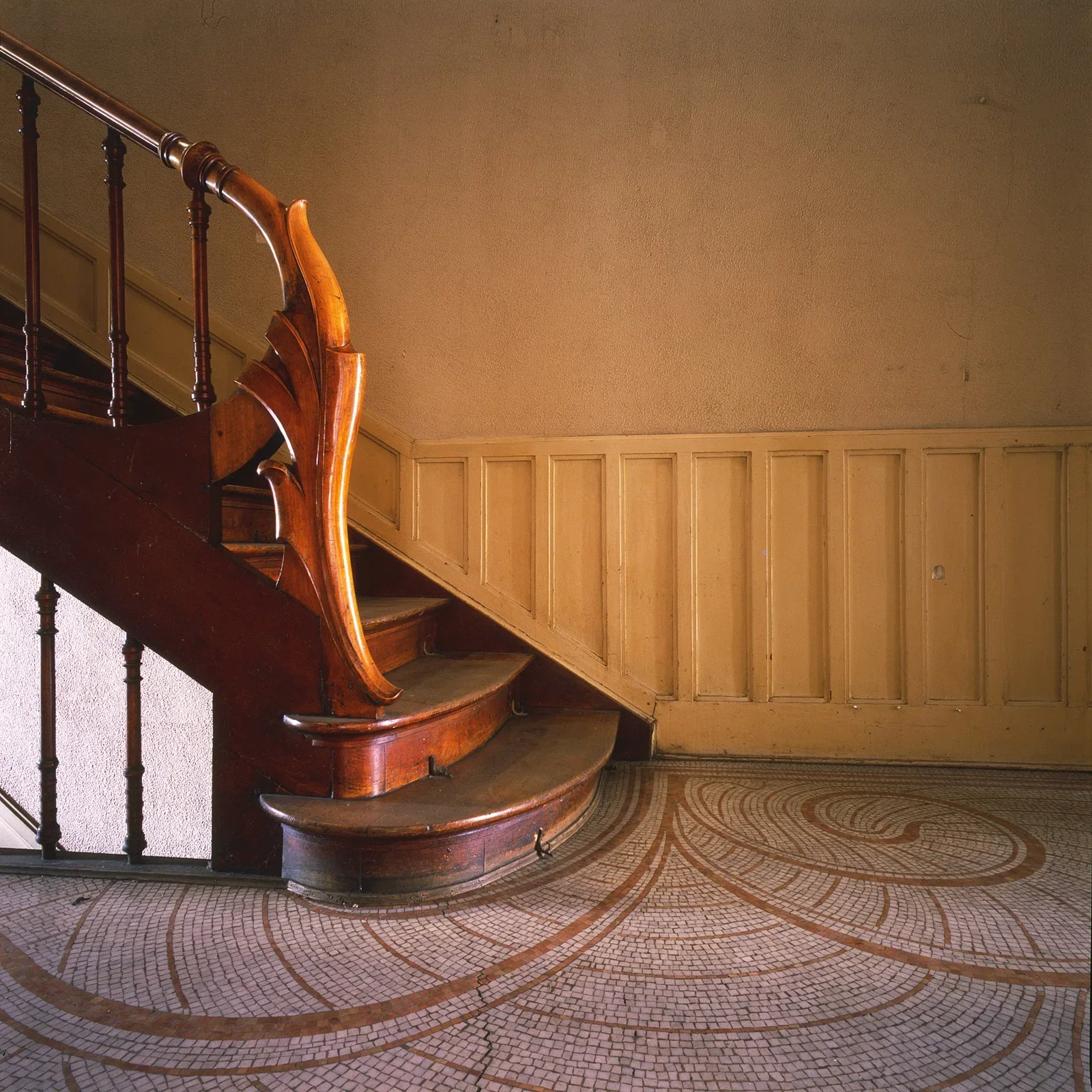
Designed by Victor Horta in 1893, this house in Schaerbeek sheds light on the beginnings of Art Nouveau and life in Brussels homes.
 Antonio Sessa — Unsplash
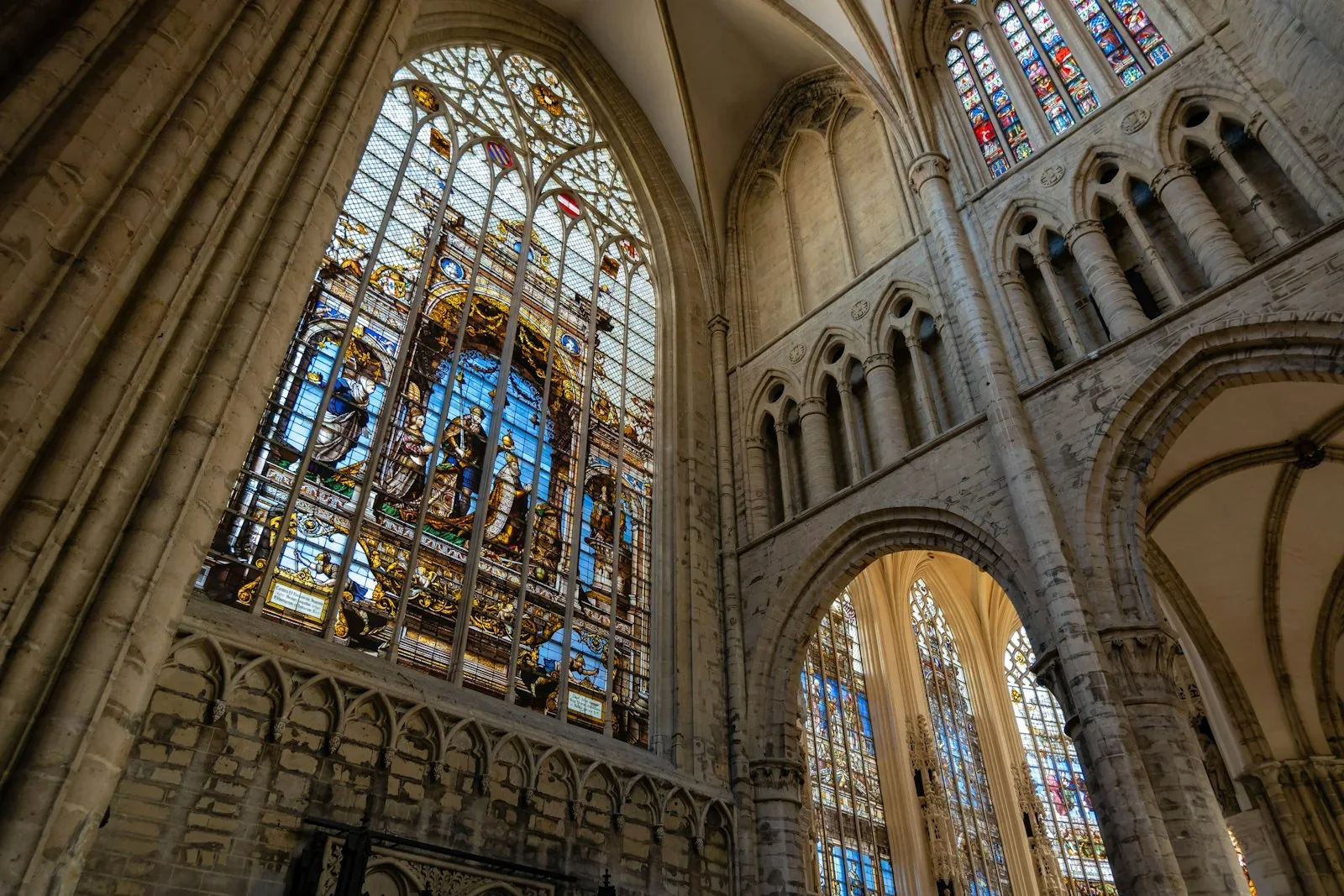
Begun in 1226, this Gothic cathedral tells the story of several centuries of Brabantine architecture. Its stained glass, Baroque pulpit and Romanesque remains invite you to explore Brussels’ religious history.
 visit.brussels
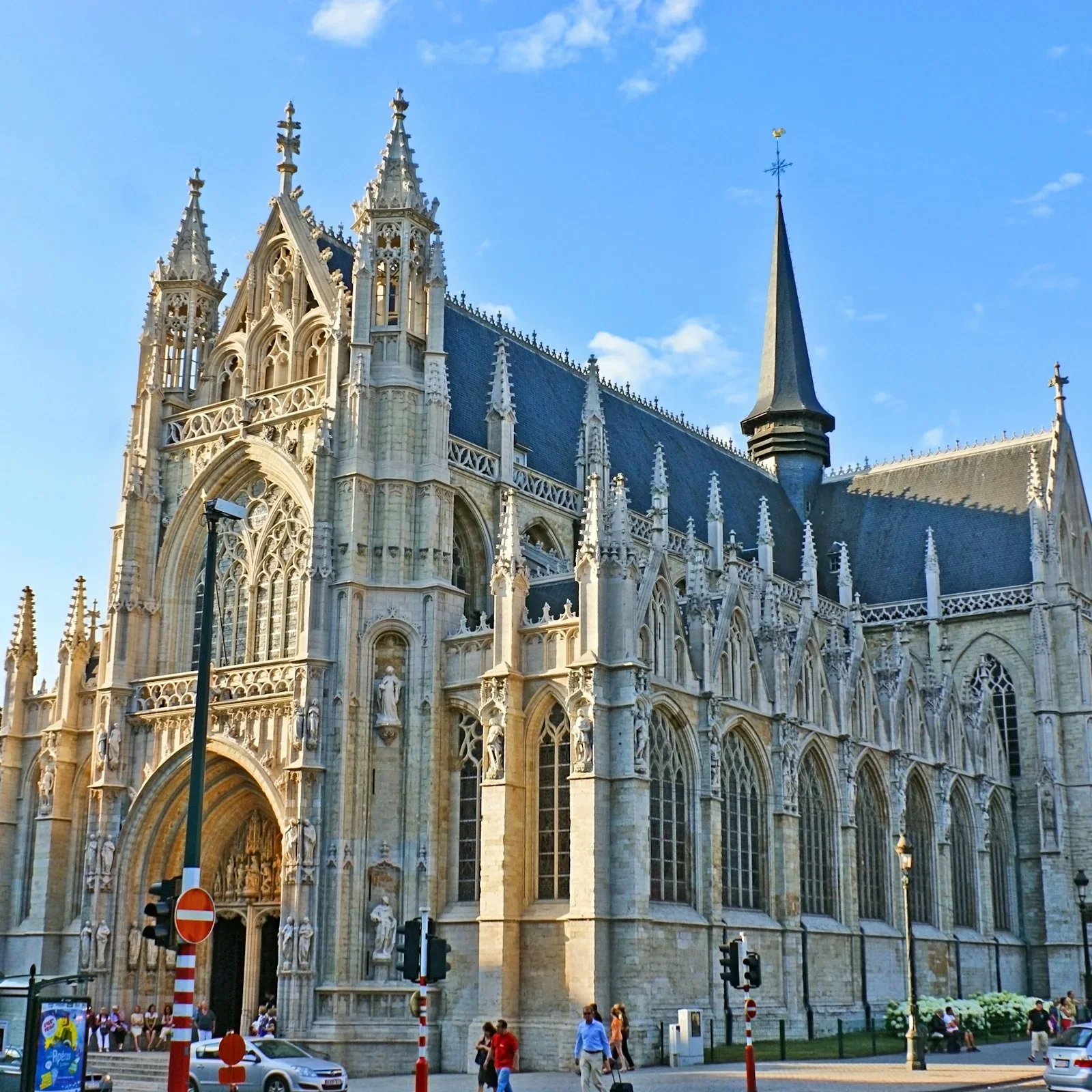
Built from the 15th century onwards, the Sablon church is an outstanding example of late Gothic architecture. Large stained-glass windows and the Baroque chapels of the Tour et Tassis family enrich the visit.
 Morburre — CC BY-SA 4.0 — Wikimedia Commons
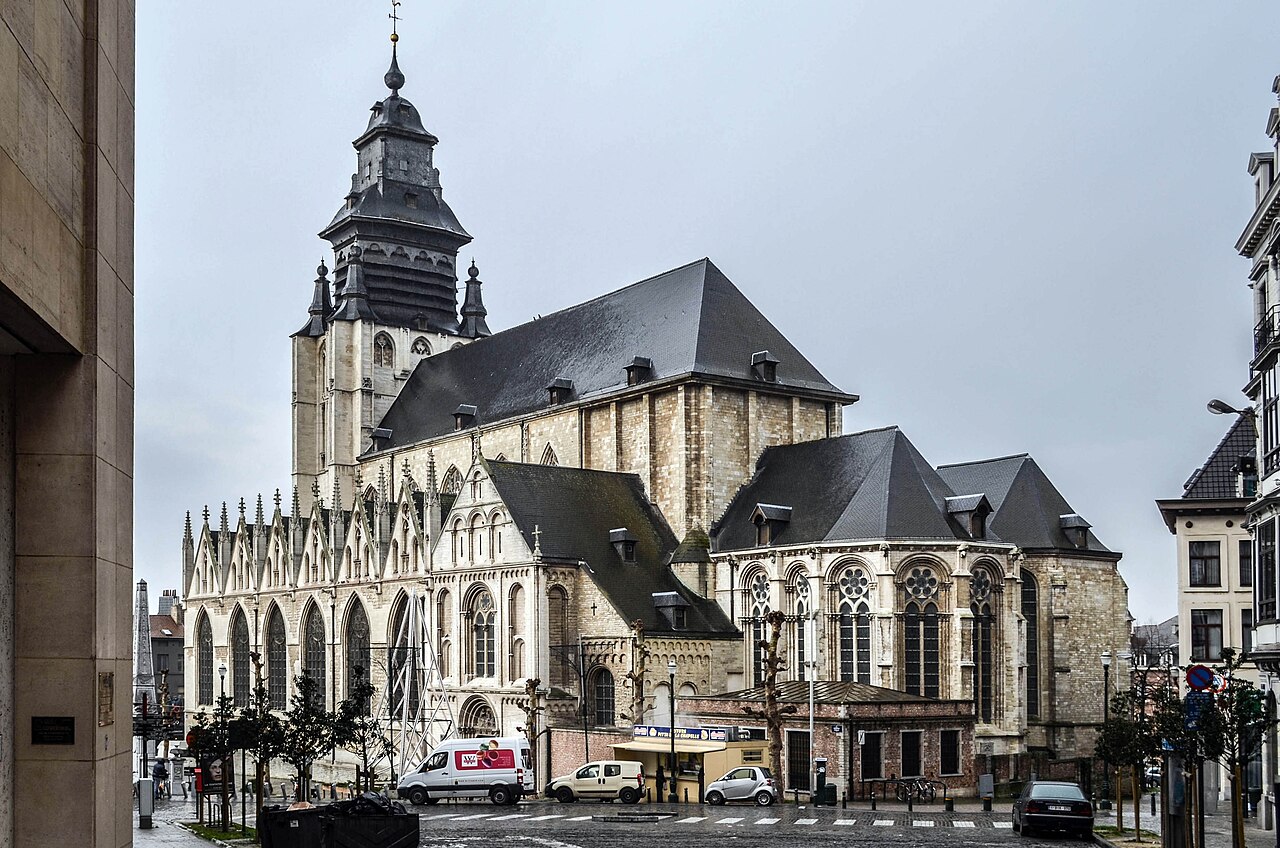
In the Marolles district, Notre-Dame de la Chapelle combines predominantly Gothic architecture with Romanesque elements. Its interior preserves numerous works of art, including Baroque pieces.
Leonhard Niederwimmer — Unsplash
Built between 1854 and 1873 to plans by Joseph Poelaert, then under the direction of Wynand Janssens, the church combines Gothic and Renaissance influences. The tower of the former church still stands nearby.
 visit.brussels
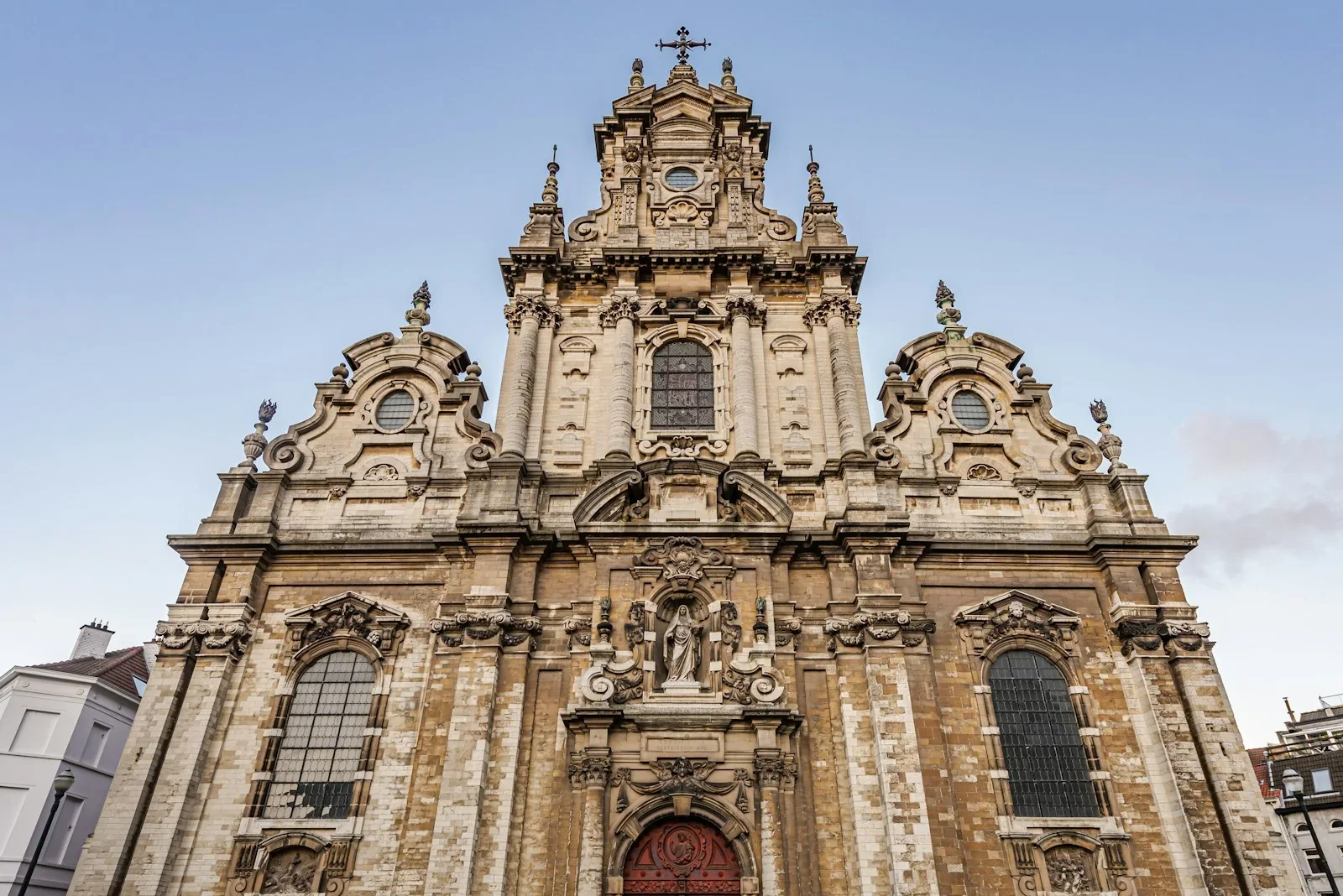
Construction of this Baroque church began in 1657 and it was consecrated in 1676. It recalls the Grand Béguinage of Brussels: its monumental façade and rich furnishings bear witness to the history of this community of women.
 Vasily Malygin / Unsplash · Unsplash License
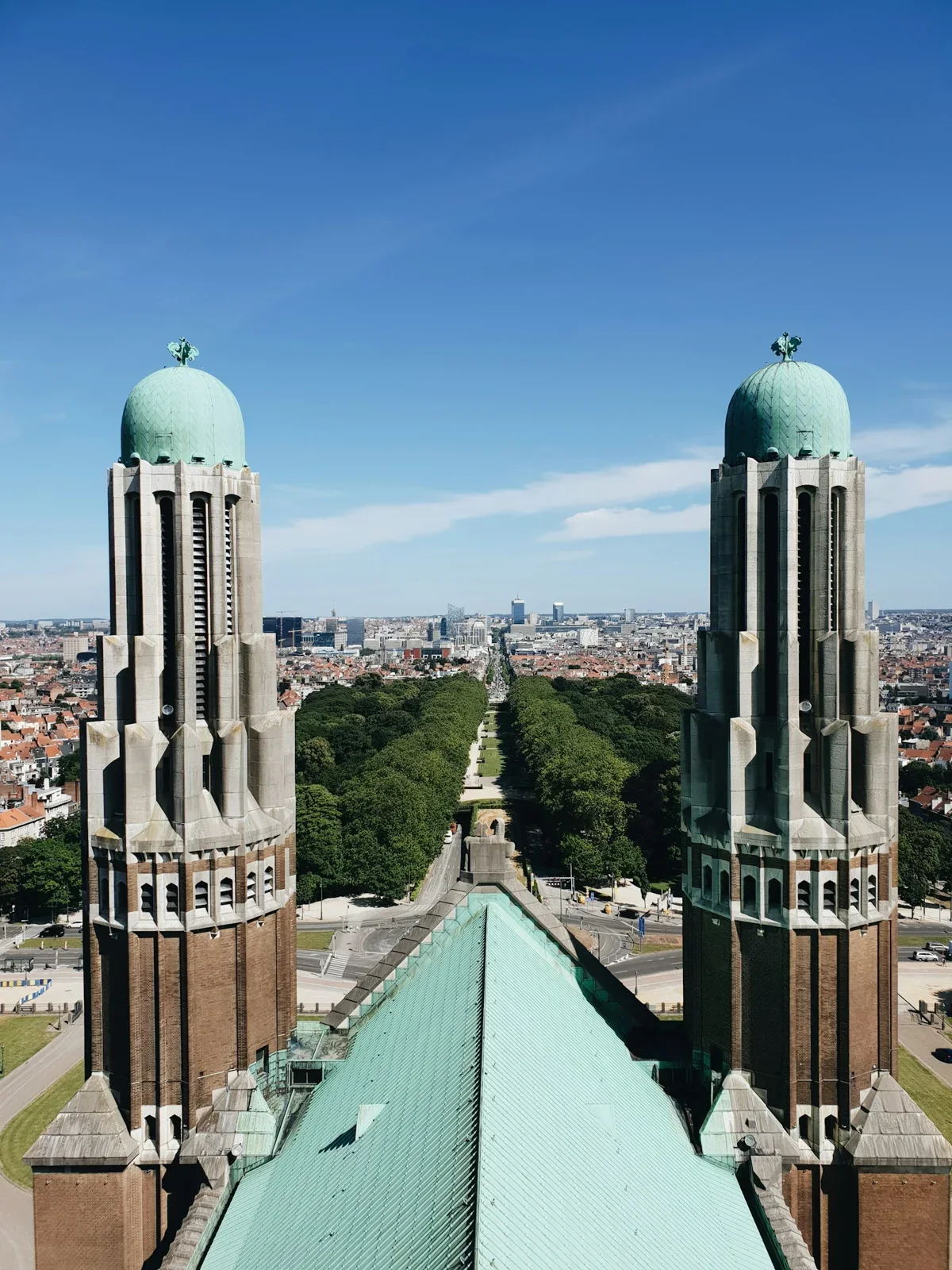
This monumental basilica is a major Art Deco work designed by Albert Van Huffel. You can extend your visit to its museums and panoramic view of Brussels, subject to the venue’s access arrangements.
 visit.brussels
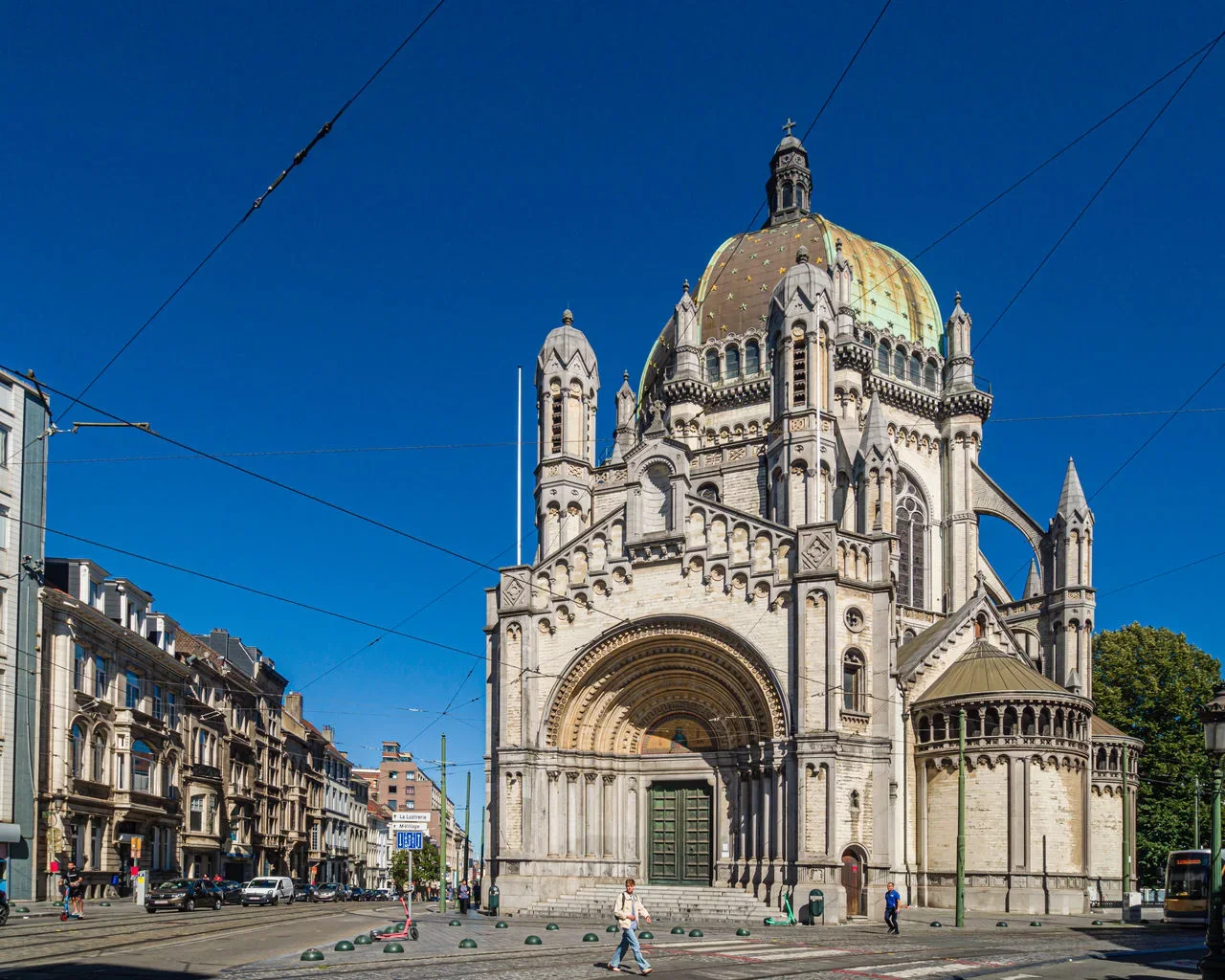
Built between 1845 and 1888, this Romanesque-Byzantine church stands along the Royal Route. Its octagonal plan and dome make it a distinctive architectural landmark in Schaerbeek.
 Pierre Blaché / Unsplash · Unsplash License
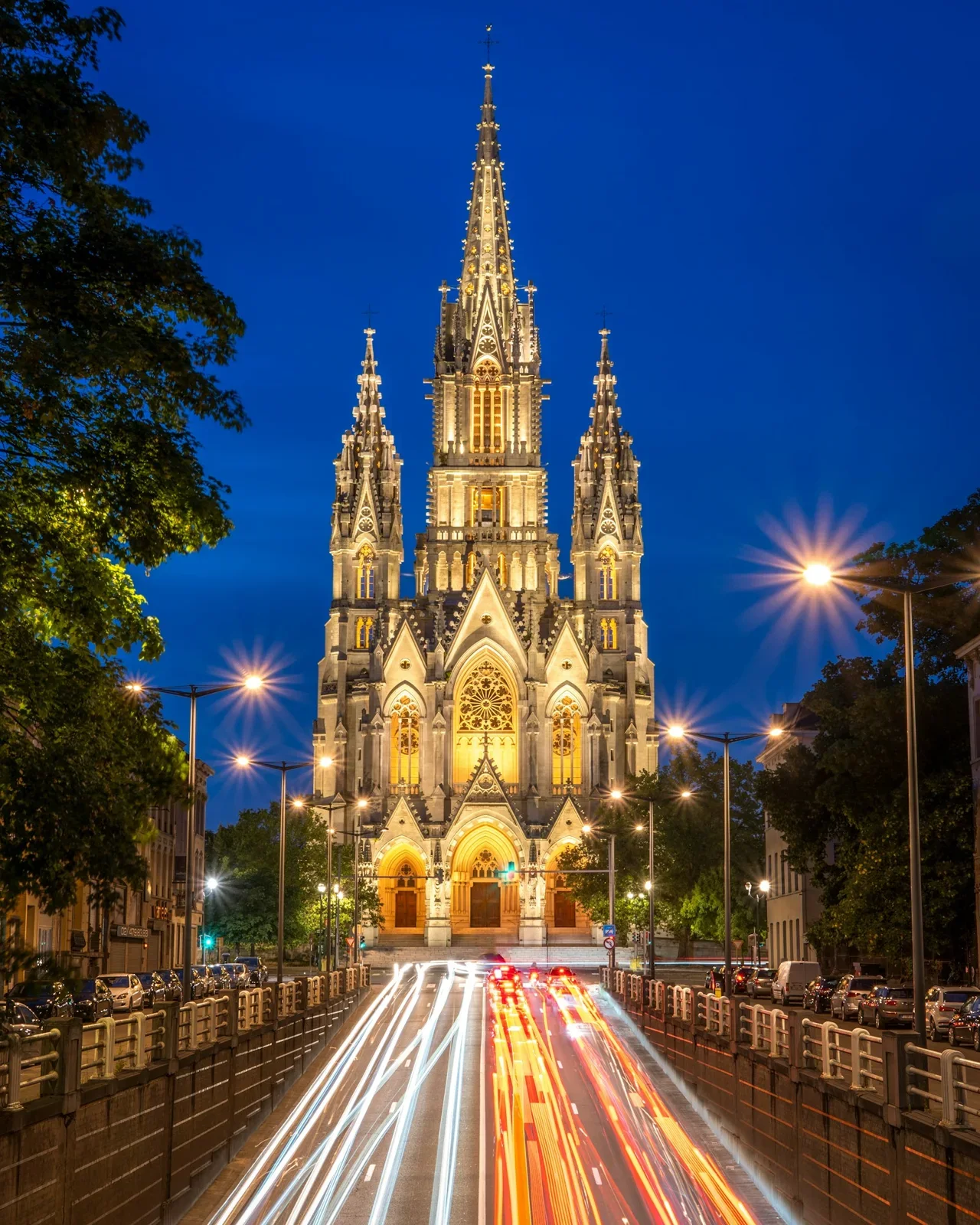
Designed by Joseph Poelaert, Notre-Dame de Laeken is a vast neo-Gothic building erected in memory of Queen Louise-Marie. The royal crypt, behind the choir, contains the tombs of members of the Belgian royal family.
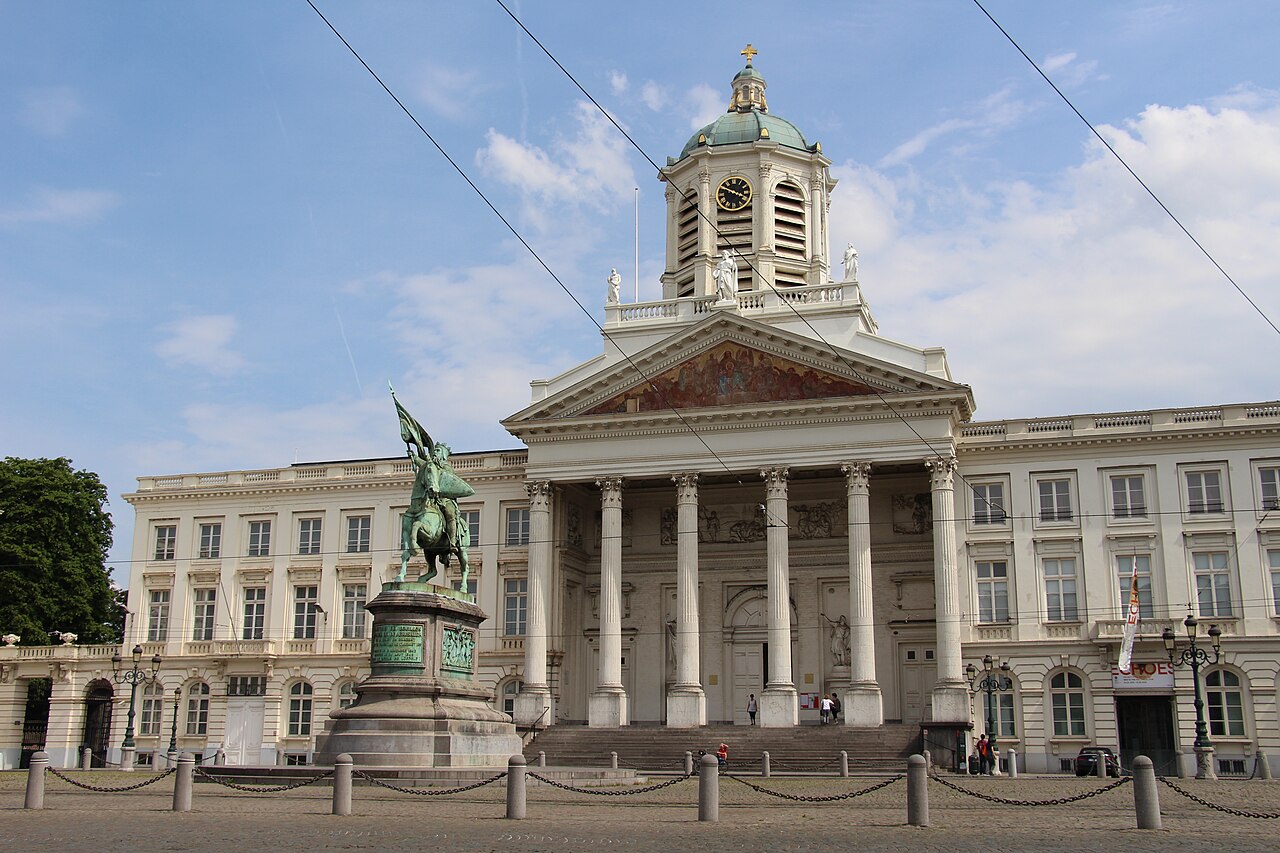 © Fred Romero / Wikimedia Commons · CC BY 2.0
Overlooking place Royale, Saint-Jacques-sur-Coudenberg combines neoclassical architecture with a history linked to royal power. It is both a royal parish church and the cathedral of the Military Diocese.
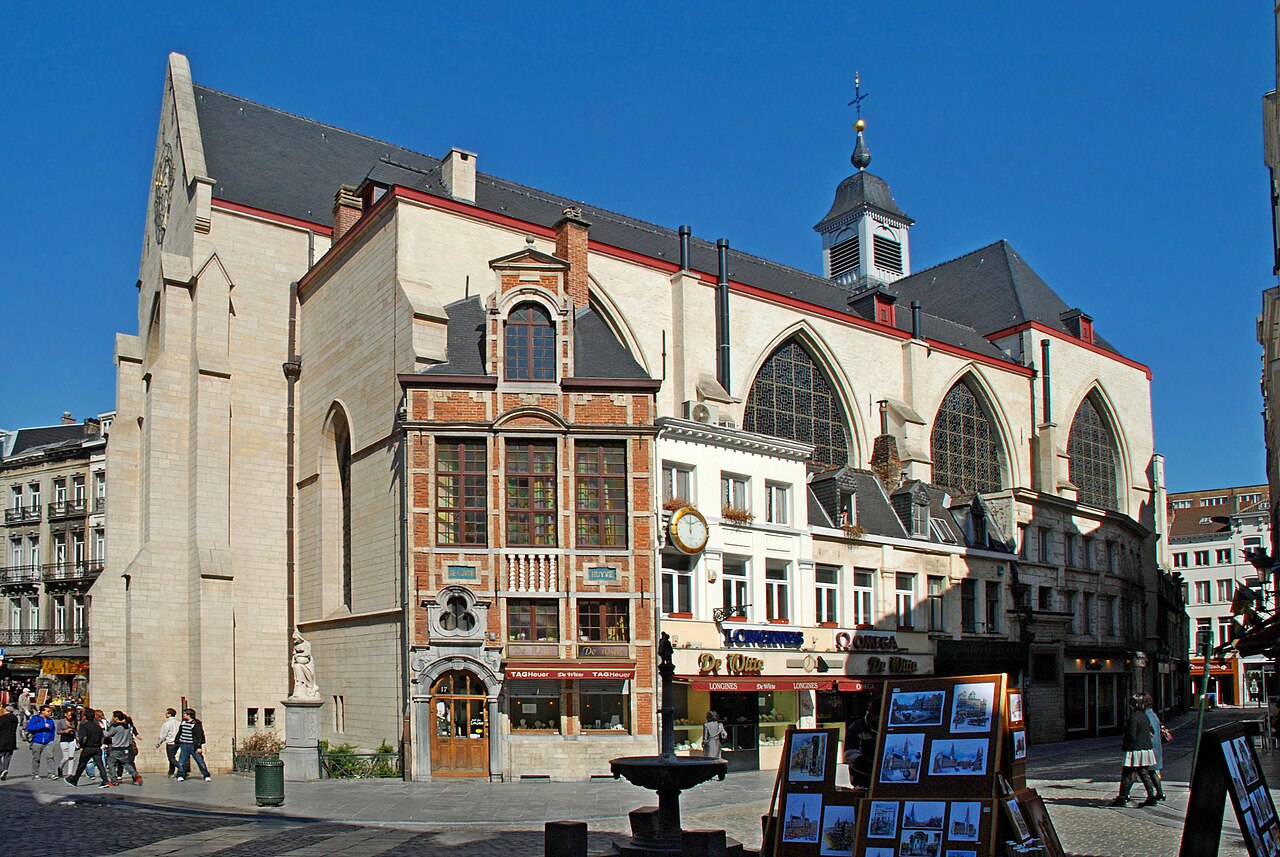 © EmDee / Wikimedia Commons · CC BY-SA 3.0
Close to the Grand-Place, Saint-Nicolas retains the character of a medieval church woven into the surrounding houses. Its dedication recalls the history of Brussels’ merchants and markets.
No places match this search. Try another idea.