
Origins that remain debated
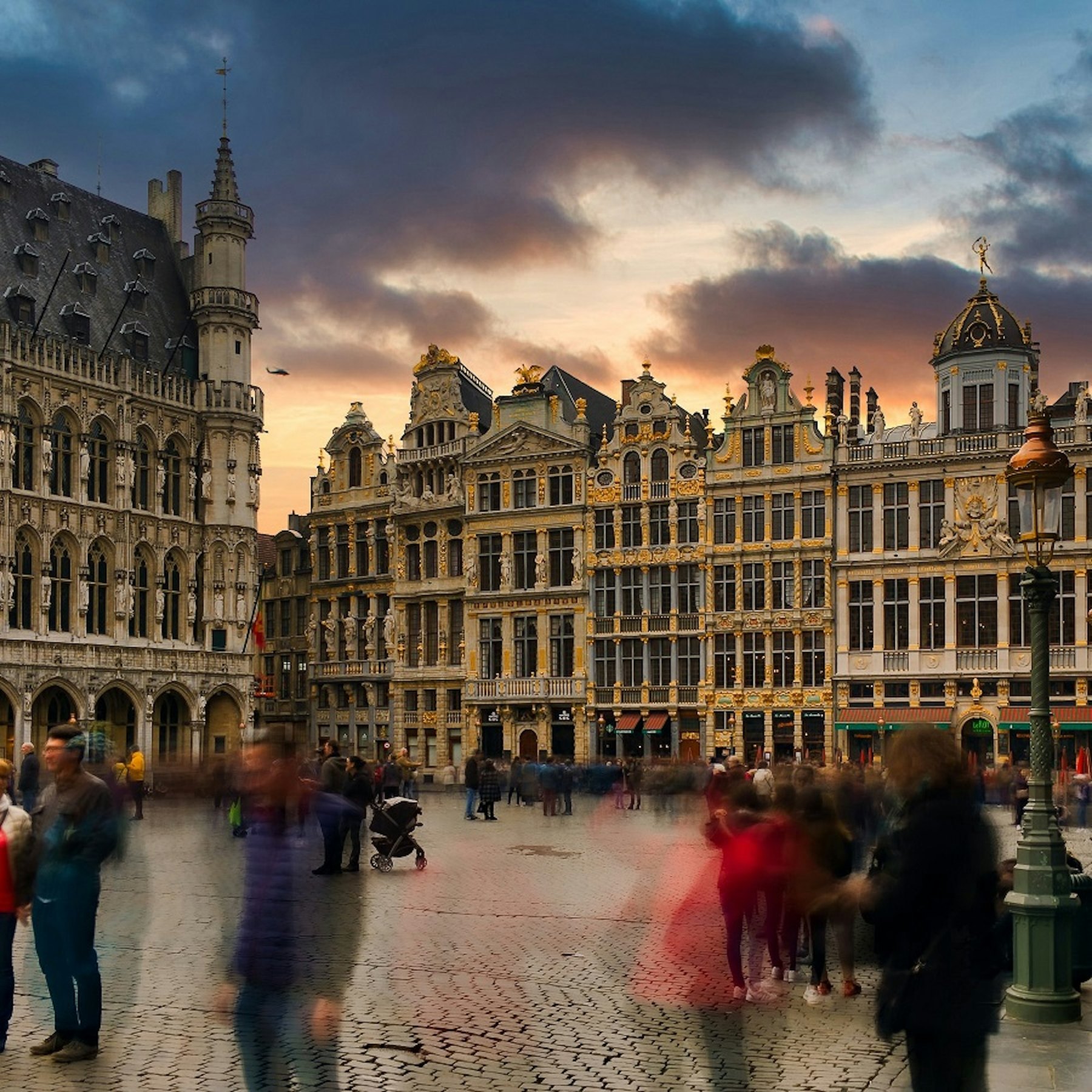
The City Archives begin their chronology in 979, the presumed founding date of Brussels. This traditional landmark should not be presented as a historical certainty.
Read the historical sourceTen landmarks with sources to help you read the city, distinguish established facts from traditions and connect key dates with places to visit.
This timeline offers historical landmarks rather than an exhaustive history of Brussels. Each entry links to its institutional source.
The photographs show the places and their heritage; they do not recreate historical events.

The City Archives begin their chronology in 979, the presumed founding date of Brussels. This traditional landmark should not be presented as a historical certainty.
Read the historical source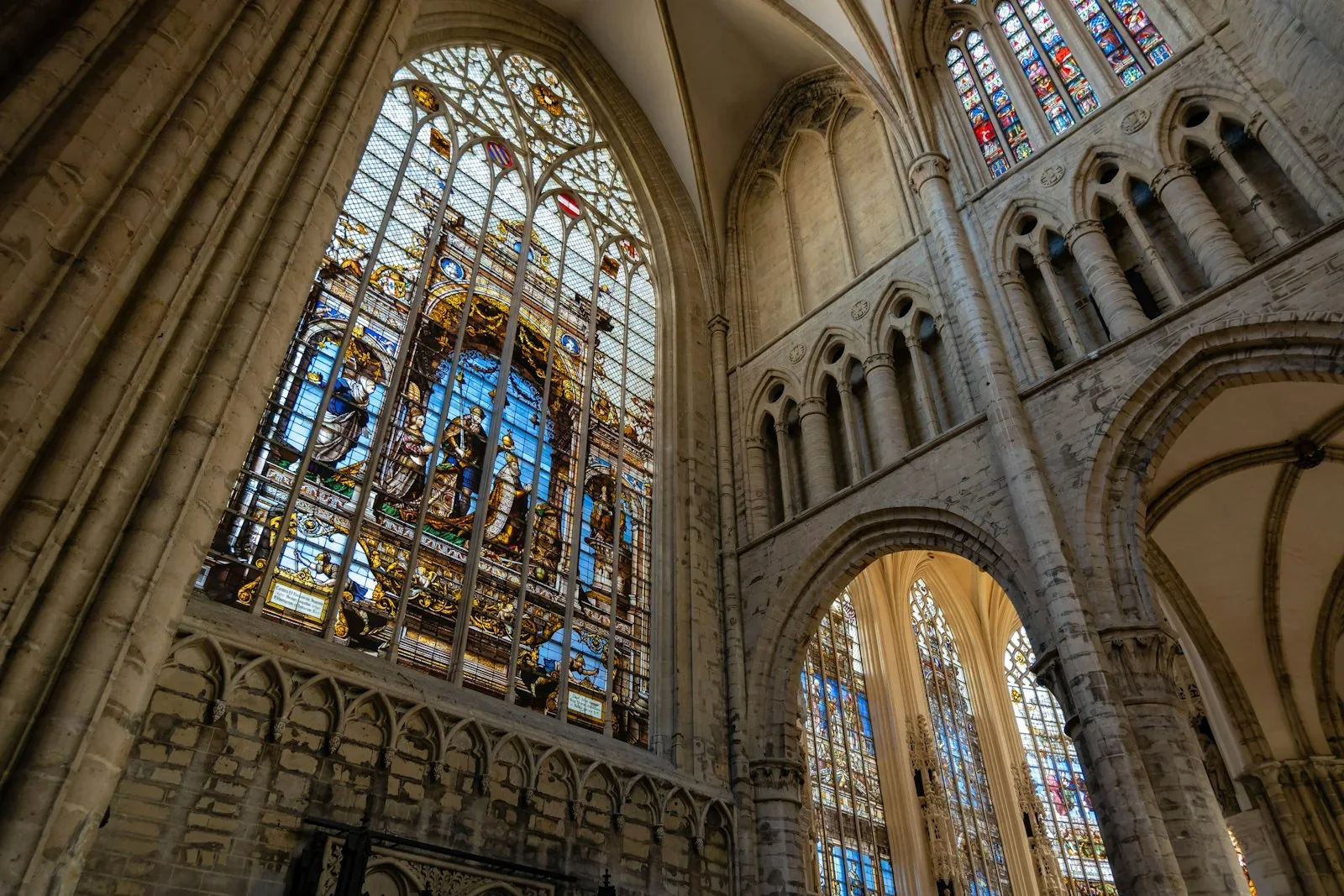
Construction of the Gothic Saints-Michel-et-Gudule building begins in 1226. Work continues for several centuries, bringing together different phases of Gothic architecture.
Read the historical source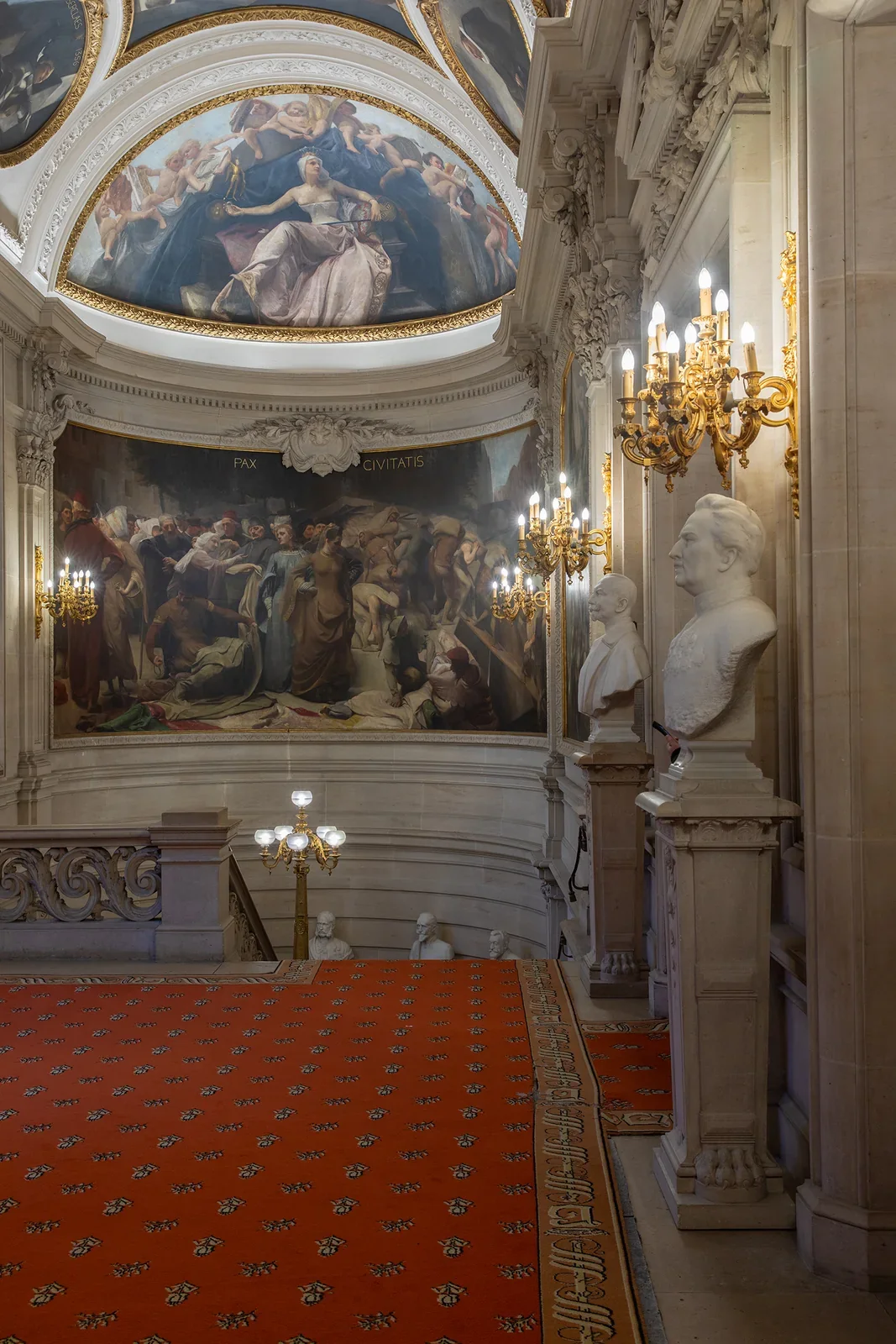
Construction of the first Town Hall building begins in 1402 under the direction of Jacques Van Thienen. The complex is subsequently enlarged during the 15th century.
Read the historical sourceFrom 13 to 15 August 1695, Brussels is bombarded by the troops of Louis XIV. The houses on the Grand-Place are rebuilt in the following years, notably in 1697 and 1698.
Read the historical source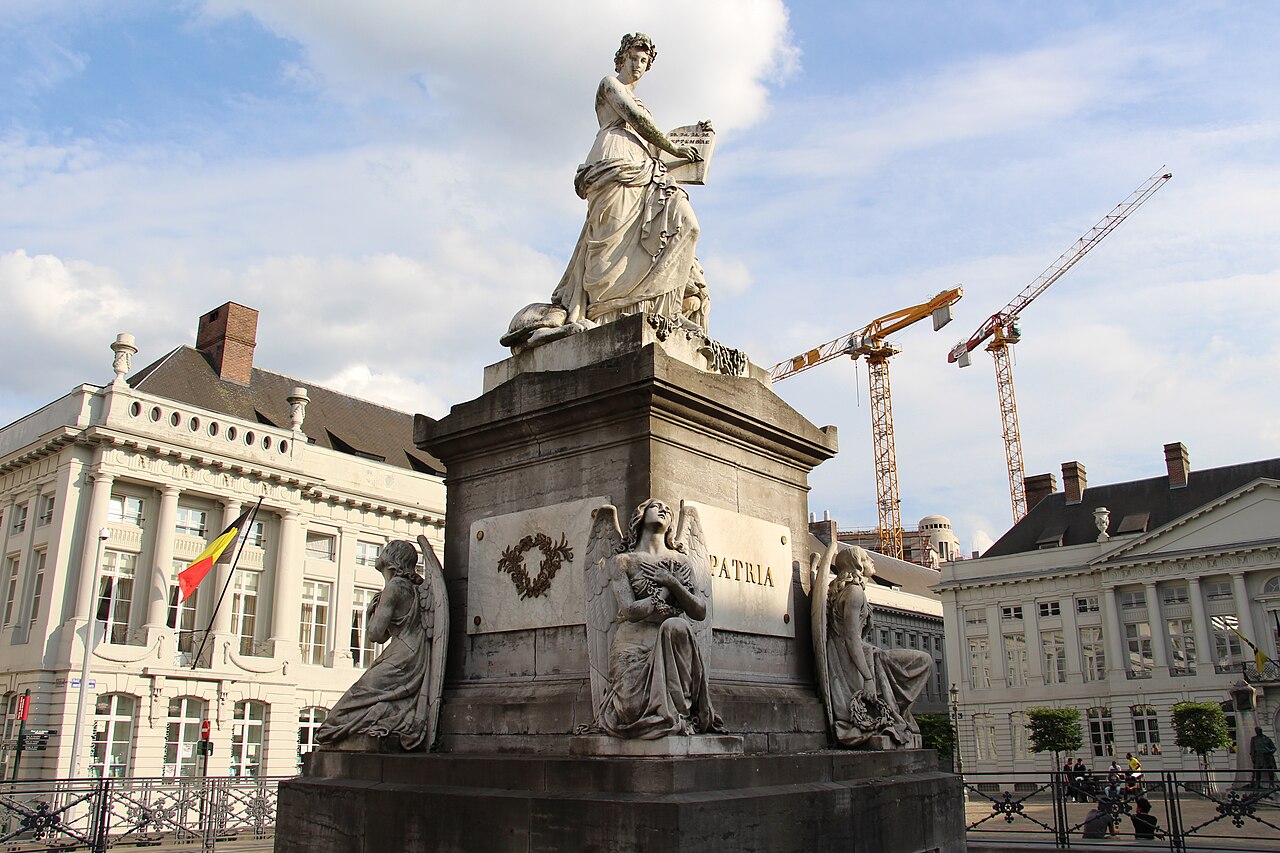
The revolutionary days of September 1830 make Brussels a central site of Belgian independence, declared by the Provisional Government on 4 October 1830.
Read the historical source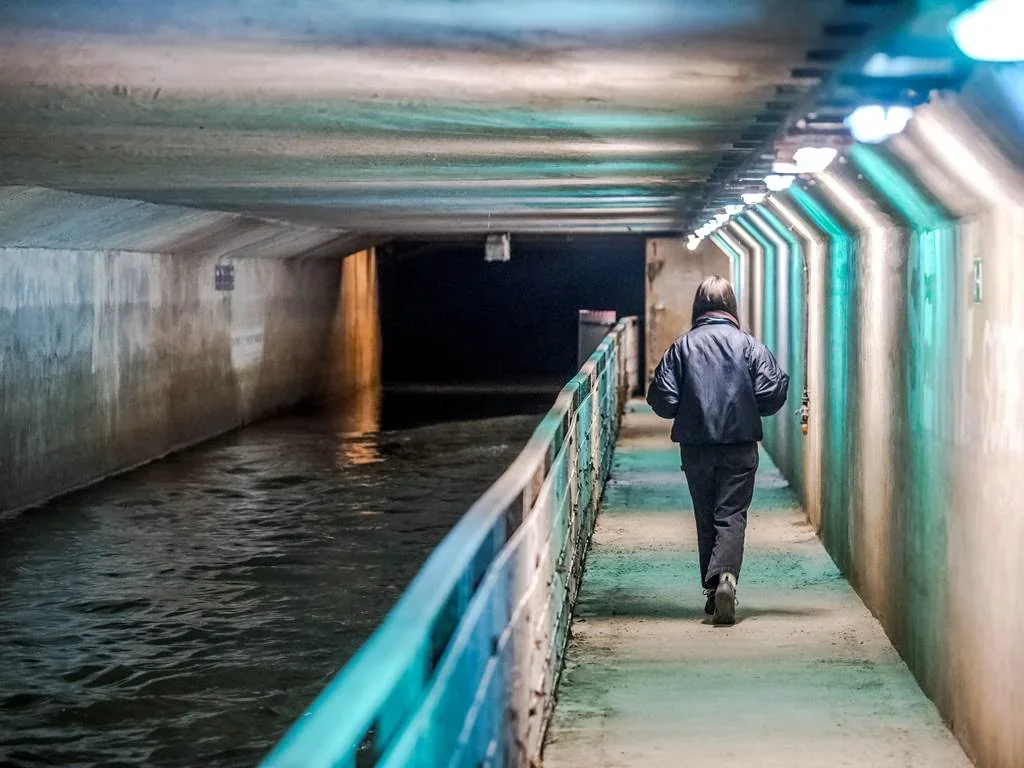
Covering the Senne transforms the centre of Brussels and accompanies the creation of the central boulevards. The collections of the Musée de la Ville preserve the ceremonial trowels from the start of the works in 1867 and their completion in 1871.
Read the historical source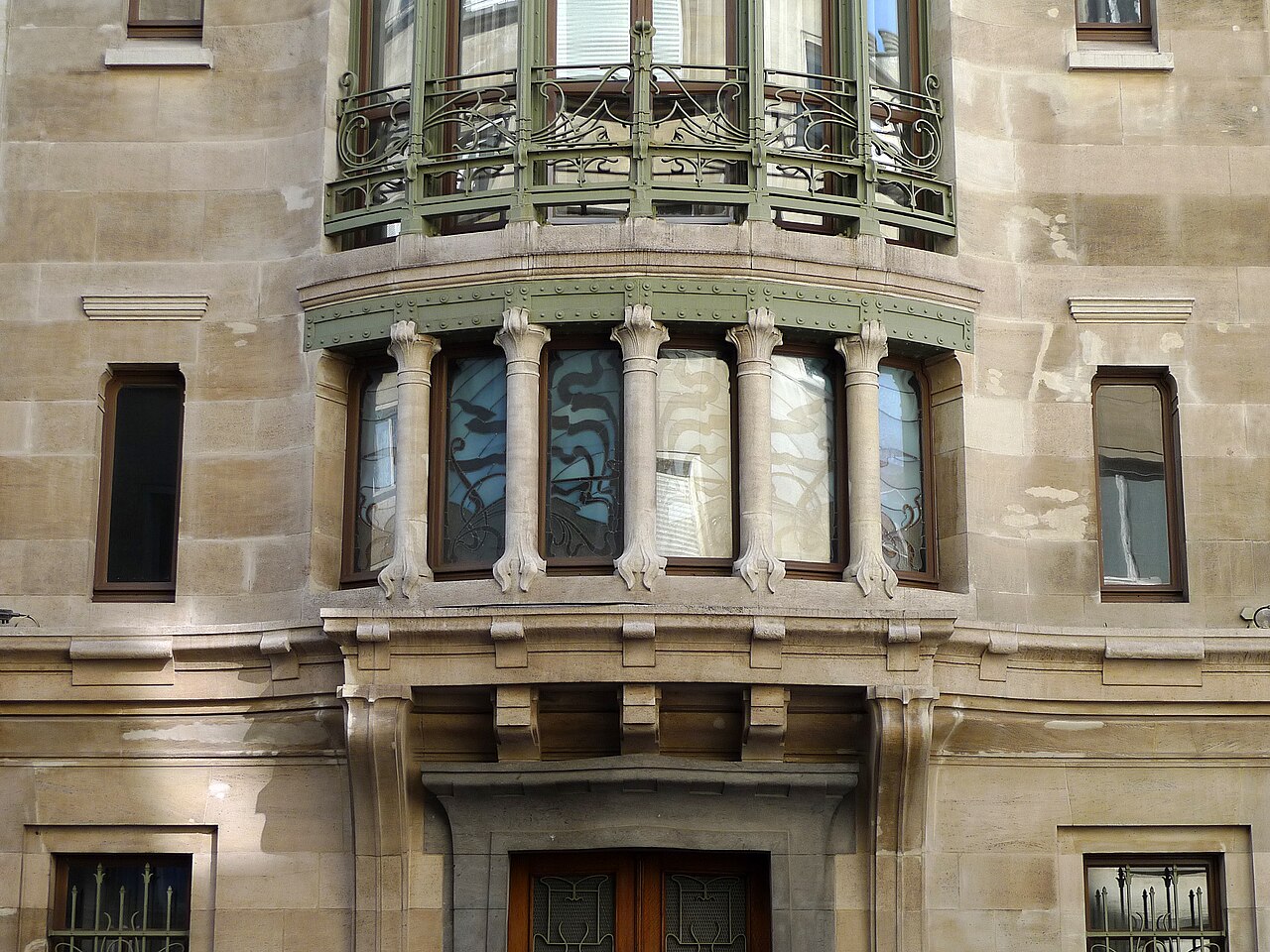
With Hôtel Tassel, dated to 1893 by UNESCO, Victor Horta reimagines domestic space, the flow of light and the relationship between structure and decoration.
Read the historical source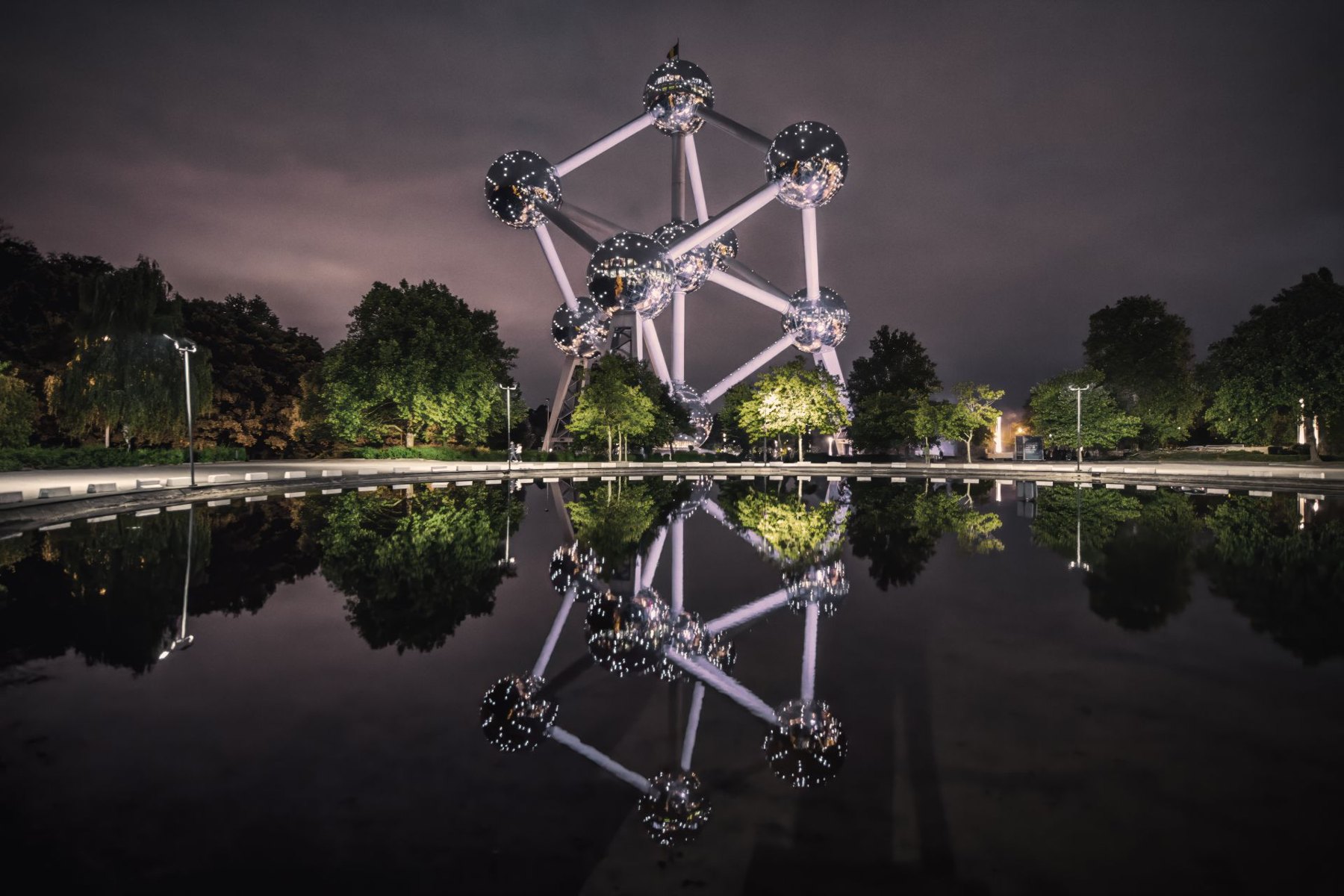
Created for the 1958 World’s Fair, the Atomium becomes one of Brussels’ great symbols. Its structure represents an iron crystal enlarged to a monumental scale.
Read the historical source
The state reform of 1988–1989 gives Brussels-Capital its own regional institutions, with a Parliament and a Government.
Read the historical sourceUNESCO inscribes Brussels’ Grand-Place on the World Heritage List in 1998, recognising the value of this architectural ensemble and its trading history.
Read the historical sourceFind traces of the city in the collections of the Musée de la Ville, beneath place Royale at Coudenberg, at the Porte de Hal and in religious buildings.